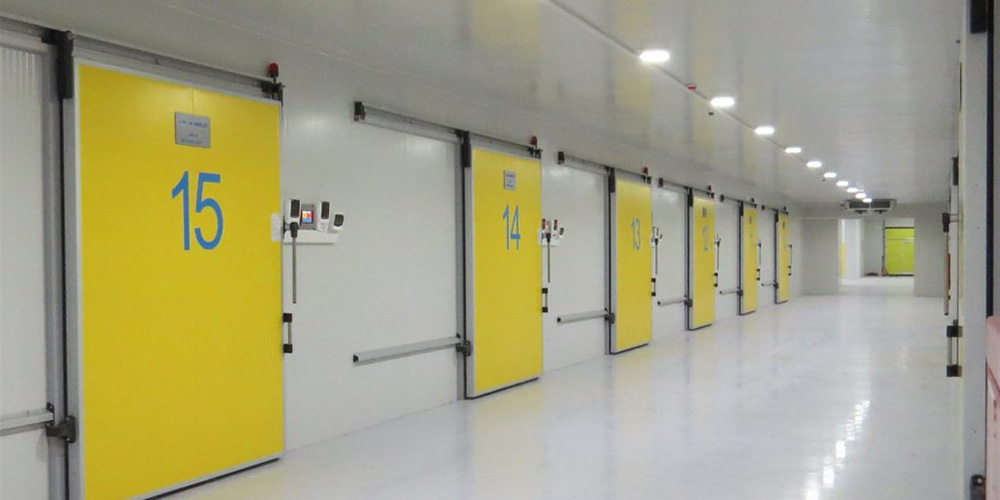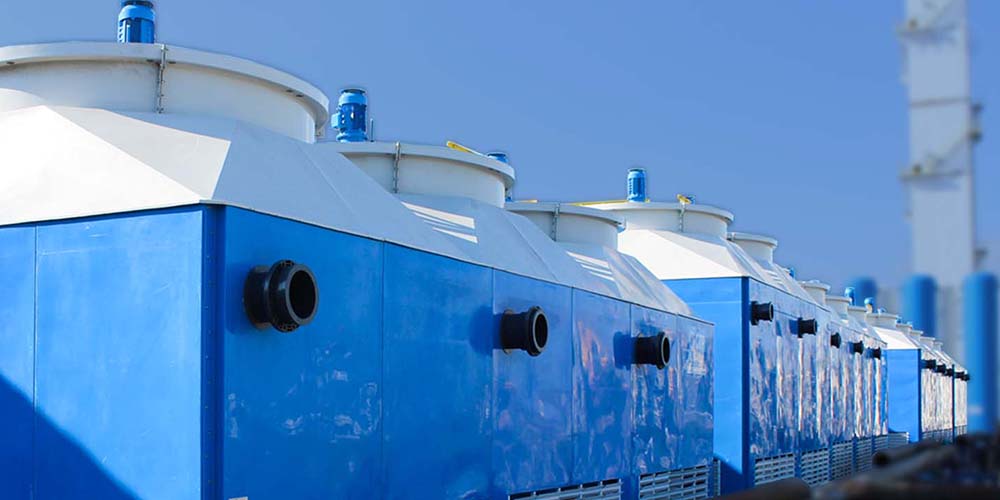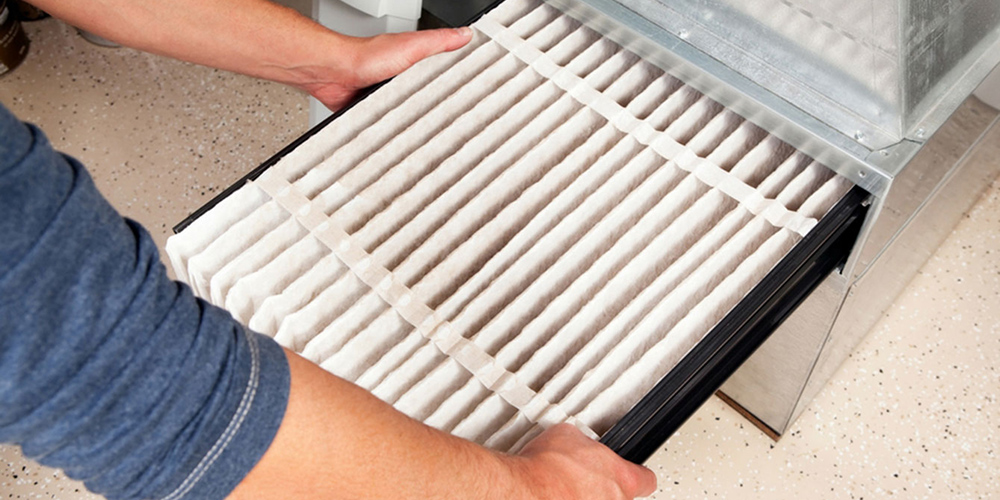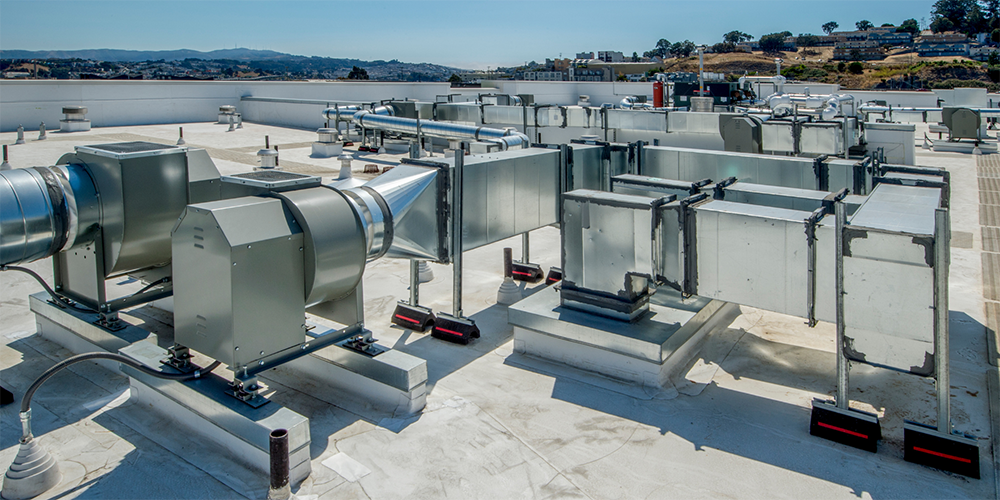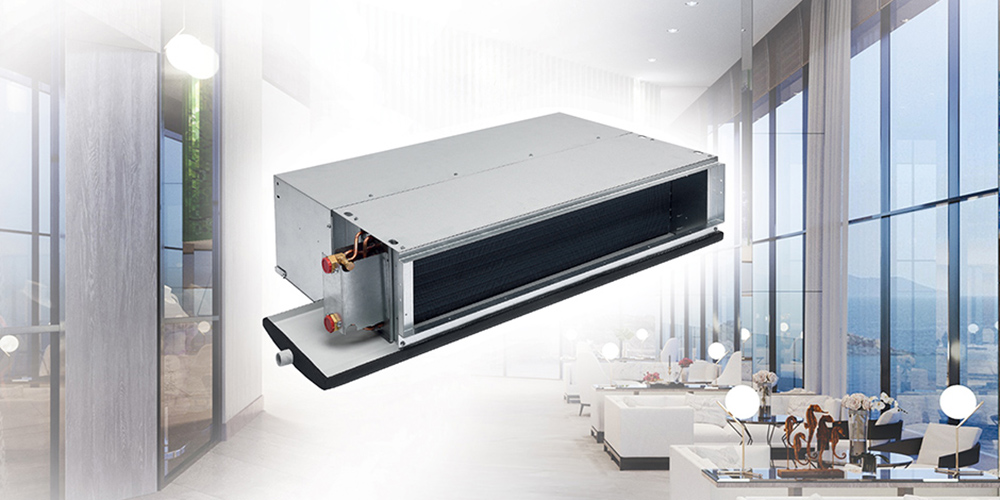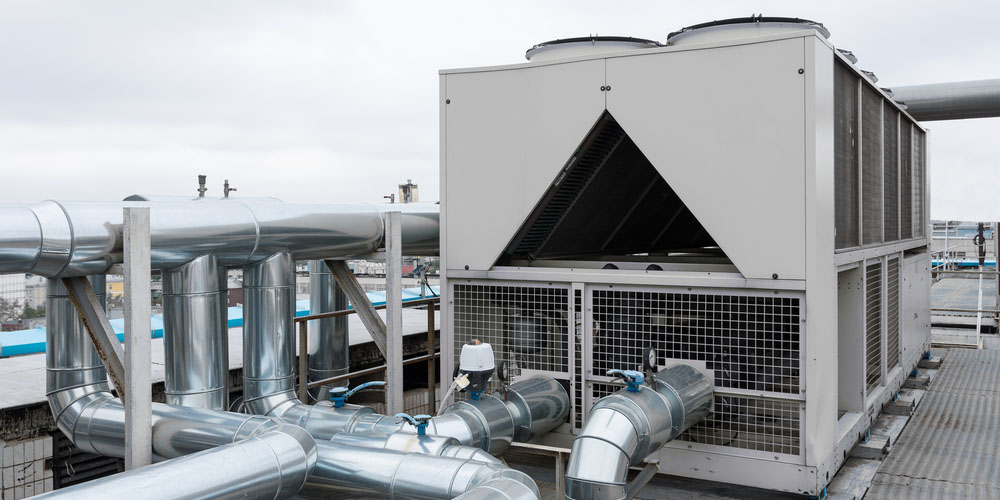
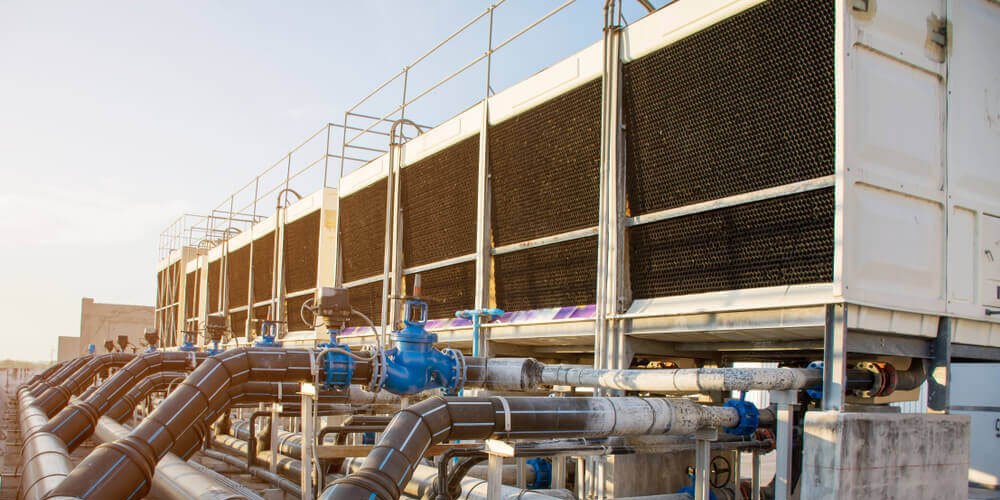
Cooling techniques are methods used to control temperature. This blog post covers the basics of cooling techniques, their different types, and their applications. It also provides tips for practical cooling techniques and examines their advantages and disadvantages. Choosing the right cooling techniques is extremely important for saving energy and increasing efficiency. At the end of the article, key points regarding cooling techniques are highlighted, providing readers with the necessary information. This creates a comprehensive guide for those seeking knowledge about cooling techniques.
What Are Cooling Techniques? Basic Information
Cooling Techniques are methods used to lower or maintain the temperature of a specific environment. These techniques play a critical role in various fields, particularly in industrial sectors, food preservation, climate control, and laboratory work. Cooling systems are continuously developed to be optimized for energy efficiency, reducing costs, and minimizing environmental impact.
At the core of these techniques lie the principles of heat transfer. Heat flows from a higher temperature region to a lower temperature region. Cooling systems reverse this flow to achieve the desired temperature in the environment. This process is typically carried out using refrigerants and various mechanical devices.
| Cooling Method | Description | Applications |
|---|---|---|
| Industrial Cooling | Systems used in large-scale production. | Food processing, chemical industry |
| Domestic Cooling | Refrigerators and air conditioners used in homes. | Food storage, climate control |
| Natural Cooling | Cooling methods using natural resources. | Greenhouses, storage areas |
| Hybrid Cooling | The use of multiple cooling methods together. | Data centers, energy production |
Basic Information About Cooling Techniques: To increase the effectiveness of cooling techniques, certain basic principles should be considered. Some of these principles are:
- Achieving the most efficient heat transfer
- Selecting the appropriate refrigerant
- Ensuring energy efficiency
- Importance of material quality
- Regular maintenance and repair processes
- Importance of system integration
Cooling Techniques are an indispensable skill and knowledge area in many industries today. Systematic and efficient application of these techniques is crucial for reducing costs and improving product quality. Every research and development in cooling techniques forms the foundation for industry innovations.
Different Cooling Types and Their Applications
Cooling systems play a critical role in various industries and homes to meet different needs. Therefore, when choosing between cooling techniques, it is important to carefully examine the differences and applications. Selecting a cooling method suited to your purpose can increase energy efficiency and reduce costs. Active and passive cooling methods, in particular, offer different advantages under specific conditions.
Below is a table that provides general information about cooling techniques and helps better understand their applications. The table lists the advantages and usage areas for each cooling type.
| Cooling Type | Advantages | Applications |
|---|---|---|
| Active Cooling | Fast cooling, controllability | Industrial facilities, computer systems |
| Passive Cooling | Low cost, energy efficiency | Homes, natural climate control |
| Liquid Cooling | High heat capacity | Automobiles, engine systems |
| Gas Cooling | Long-term performance | Cryogenic applications, paint industry |
With technological advancements, the variety of cooling systems has increased, offering different solutions on the market. Each cooling type comes with specific advantages and disadvantages. The necessary information to determine cooling types can be found below.
Different Cooling Types: Step-by-Step Guide
- Active Cooling Systems
- Passive Cooling Methods
- Liquid Cooling Techniques
- Gas Cooling Methods
- Thermal Storage Systems
- Natural Cooling Methods
- Mechanical Cooling Methods
Cooling techniques cover many applications that differ in terms of energy savings and efficiency. Detailed examination of these techniques is especially important to achieve high efficiency in industrial applications. Now, let’s take an in-depth look at active and passive cooling methods.
Active Cooling Methods
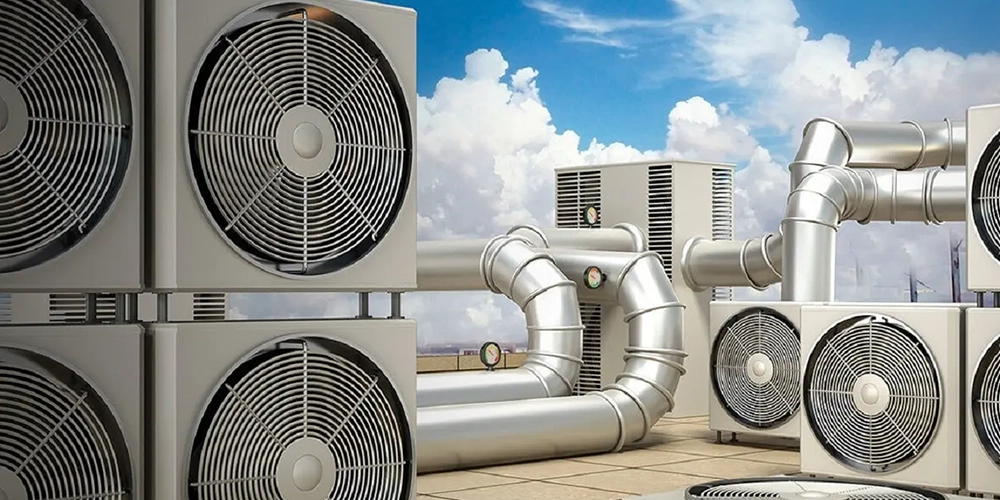
Active cooling methods operate by consuming external energy and are typically designed for fast and effective cooling. In this technique, devices (such as compressors) perform the cooling process, and the systems are generally more complex. They provide more reliable cooling, especially in hot environments. Due to high energy consumption, active systems should be used carefully, although they usually deliver faster results.
Passive Cooling Methods
Passive cooling methods are implemented using natural environments and materials. These techniques aim to minimize energy consumption and offer a sustainable solution. For example, shaded areas, natural ventilation, and material selection are key elements of passive cooling. Their applications emphasize natural climate control and energy efficiency.
Practical Tips for Cooling Techniques
Cooling Techniques play a crucial role in making our living and working spaces comfortable. Effective implementation of these techniques can help reduce energy consumption and cool the environment more efficiently. It is important to look at some practical tips for a healthy and sustainable cooling system.
First, optimizing your cooling technique requires choosing the right equipment. A good cooling system ensures energy efficiency while being compatible with factors such as lighting and air circulation. Maintenance and cleaning are also critical; dirty filters significantly reduce system performance and lead to energy loss.
| Cooling Method | Energy Consumption | Application Area |
|---|---|---|
| Central Cooling | High | Large buildings |
| Split AC | Medium | Homes and offices |
| Portable AC | Low | Temporary solutions |
| Evaporative Cooling | Low | Dry climates |
Tips for Applying Cooling
- Regularly maintain your cooling devices.
- Clean or replace filters.
- Control sunlight in your room; use curtains.
- Choose cooling techniques suitable for the climate.
- Use a smart thermostat to prevent unnecessary energy consumption.
- Use fans to improve air circulation.
Applying more efficient cooling techniques enhances comfort and helps save energy. These tips allow you to develop more effective methods to keep your environment cool. Considering these suggestions minimizes the effects of rising temperatures.
Advantages and Disadvantages of Cooling Techniques
Cooling Techniques have broad applications in various fields. Each technique has both advantages and disadvantages, which are important factors affecting the choice of method. Each method’s unique characteristics and applications should be considered during decision-making.
| Cooling Method | Advantages | Disadvantages |
|---|---|---|
| Evaporative Cooling | Low energy consumption | Effectiveness decreases in hot air conditions |
| Compression Cooling | High cooling capacity | High energy costs |
| Thermal Cooling | Environmentally friendly | Installation cost may be high |
| Passive Cooling | Energy saving | Requires proper design to be effective |
Evaluation of Cooling Techniques
- Energy Efficiency: Methods with low energy consumption should be preferred.
- Cost: Installation and operation costs should be considered.
- Environmental Impact: Use of eco-friendly materials is important.
- Maintenance Requirements: Techniques that are easy to maintain should be chosen.
- Application Area: The sector in which it will be used is decisive.
Selections in the cooling techniques field should be carefully evaluated both technically and economically. Considering each method’s advantages and disadvantages enables healthier and more efficient solutions.
Conclusion: Key Points About Cooling Techniques
Cooling plays a critical role in many industries. In this context, cooling techniques are vital for maintaining product quality and increasing energy efficiency. Today, there are many cooling methods, each designed for specific needs. Therefore, understanding and correctly applying these techniques is important for every business.
In both individual and industrial cooling applications, selecting appropriate cooling techniques not only reduces costs but also saves energy. Global issues such as climate change and dwindling energy resources necessitate the development of more efficient and eco-friendly solutions. In this regard, making the right choices among cooling techniques can provide significant benefits for sustainability.
| Cooling Technique | Application Areas | Advantages |
|---|---|---|
| Air Cooling | Residential and commercial buildings | Low cost, easy installation |
| Oil Cooling | Industrial machines | High efficiency, long lifespan |
| Water Cooling | Power plants | Efficient operation in different climates |
| Thermal Storage | Cold storage warehouses | Energy saving, flexibility |
The above-mentioned cooling techniques enhance the effectiveness of applications across various sectors, offering significant advantages to businesses. Correct design and implementation of cooling systems increase both process efficiency and cost-effectiveness. However, each cooling method comes with its own pros and cons, so careful consideration is required during the selection process.
Main Findings:
- Different cooling techniques are tailored for specific applications.
- Energy efficiency is a primary goal in cooling system design.
- Sustainable cooling solutions reduce environmental impact.
- Correct cooling techniques lower costs and improve efficiency.
- Choosing the right method preserves product quality.
Having accurate knowledge about cooling techniques is critical for the long-term success of businesses.
Considering the importance of selecting cooling techniques in industrial and consumer applications, having the necessary knowledge and experience enhances both business efficiency and environmental sustainability. Therefore, evaluating cooling methods appropriately is essential.