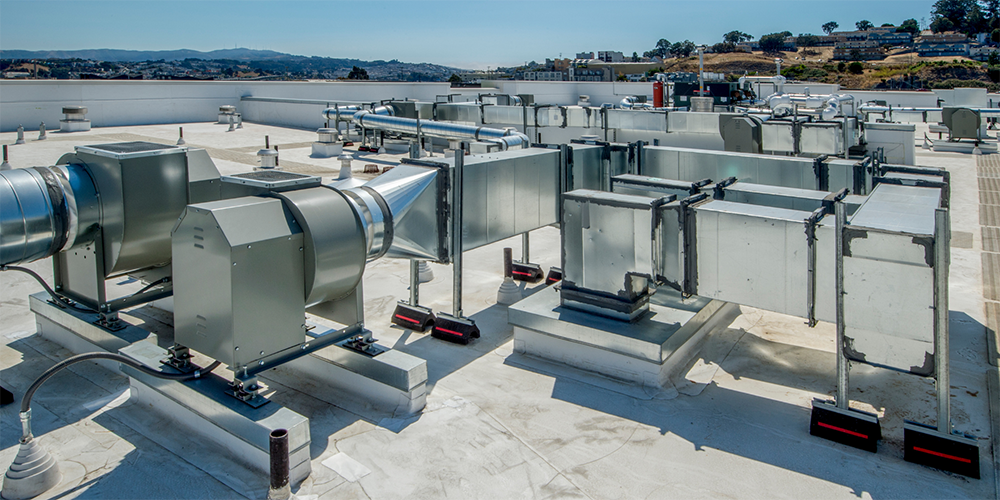
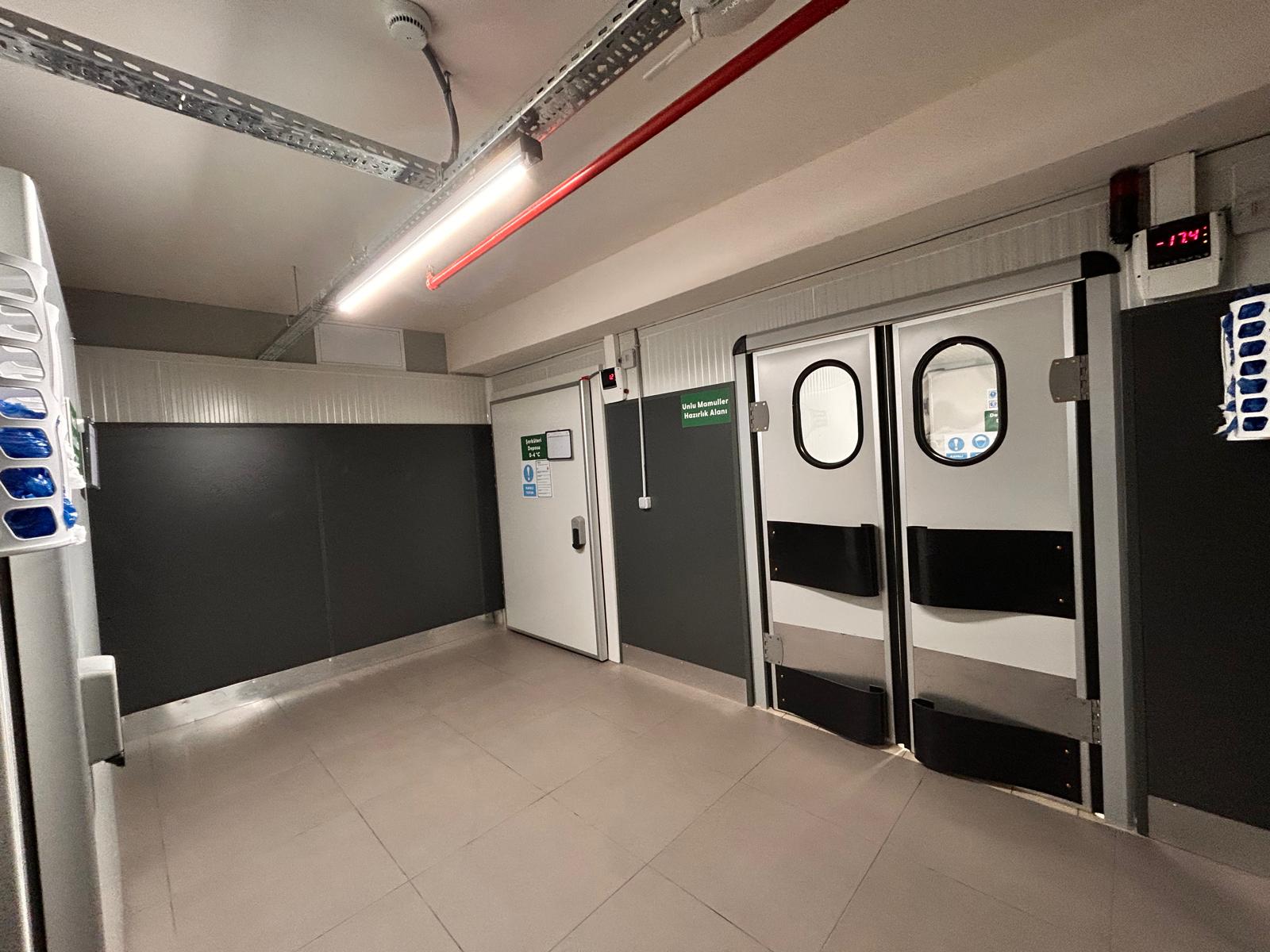
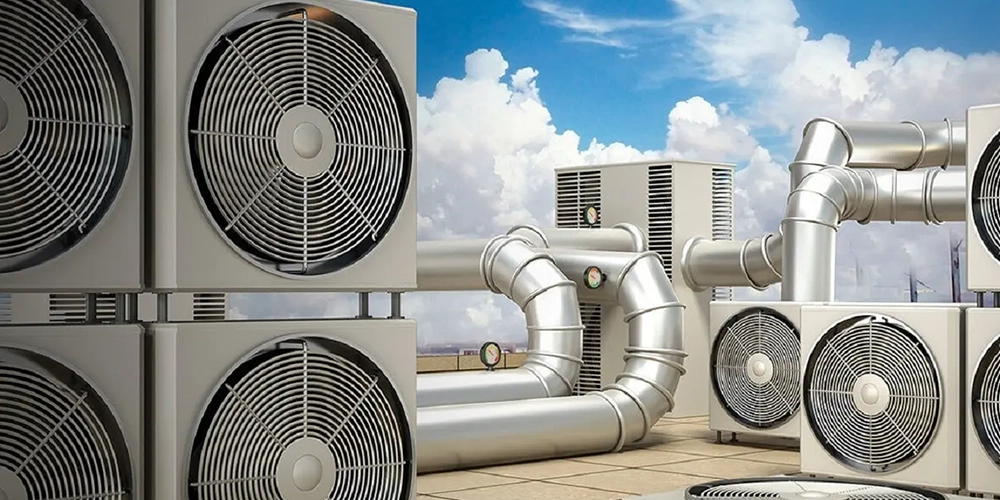
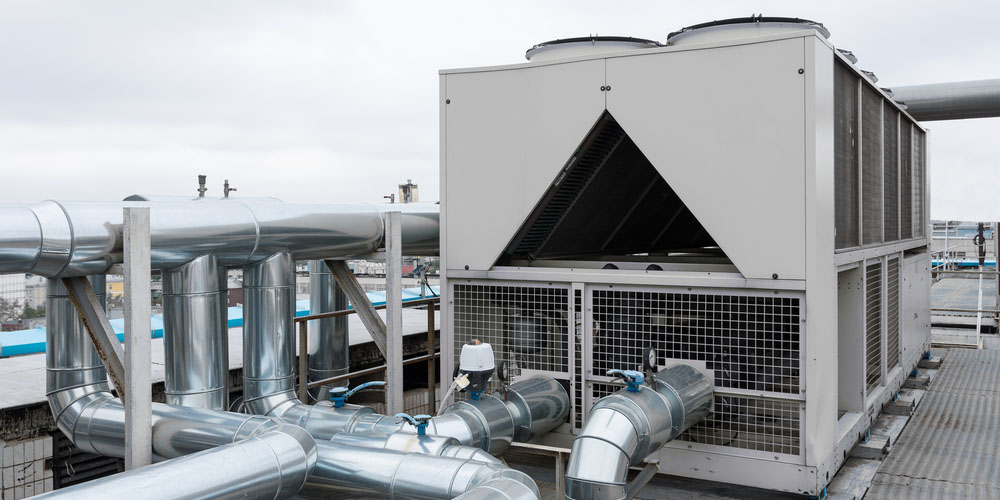
There are many benefits to using industrial air conditioning for a business. These systems provide an ideal working environment by controlling the temperature and balancing the humidity level. Furthermore, while poor air quality has the potential to negatively impact employee health, industrial air conditioners minimize these risks.
Key Advantages
- Reducing costs through energy savings.
- Improved air quality.
- Increased work efficiency.
- Long lifespan and low maintenance costs.
- Ability to adapt to various areas.
- Systems equipped with advanced technology.
industrial air conditioning systems play an important role in many sectors. They offer numerous advantages in terms of energy efficiency and improving employee comfort. With the right choices, these systems can provide long-term benefits for both businesses and employees.
Conclusion: Recommendations for Choosing Industrial Air Conditioning
industrial air conditioning selection plays a critical role in business efficiency and comfort. The right air conditioning system provides energy savings while increasing employee productivity. There are many factors to consider when making a choice. Proper evaluation of these factors will enhance long-term gains for businesses.
When purchasing an industrial air conditioning unit, you should consider energy efficiency, capacity, and maintenance requirements. In addition, factors such as the climate zone, area size, and intended use are important for determining the most suitable system. Consulting experts while evaluating these factors is highly beneficial.
Industrial air conditioning regulates the air quality of large areas. The definition and importance of these systems are significant in terms of increasing workforce efficiency and maintaining product quality. Industrial air conditioning types include air-cooled, water-cooled, and split systems, each with different features. When choosing, attention should be paid to capacity, energy efficiency, and installation area. The use of industrial air conditioning offers many benefits, including energy savings, comfort, and operational continuity. In conclusion, making the right choices based on needs is crucial for improving business efficiency.
Definition and Importance of Industrial Air Conditioning
Industrial Air Conditioning is a complex system used to control air in large and typically commercial spaces. These systems not only regulate temperature but also help improve air quality, manage humidity levels, and increase energy efficiency. Creating a healthy environment in industrial areas is critical for employee productivity.
Systems that combine ventilation, heating, and cooling, Industrial Air Conditioning are widely used across various sectors. Especially in manufacturing plants, storage areas, and large offices, climate control directly affects business processes. Therefore, proper system selection and implementation ensure energy savings for businesses.
| Sector |
Application Areas |
Key Features |
| Manufacturing |
Factory environments |
High cost-effectiveness |
| Storage |
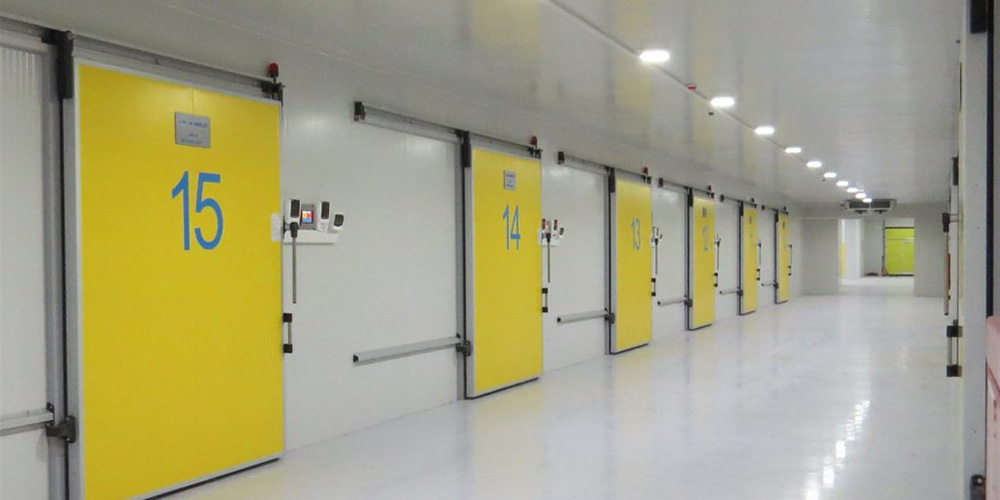
Cold storage facilities |
Humidity control |
| Office |
Open office spaces |
Energy efficiency |
| Retail |
Customer areas |
Improved air quality |
Many workplaces can significantly improve employee comfort and health with Industrial Air Conditioning systems. Their operation relies on advanced technologies and usually includes high-capacity compressors, heaters, and air filters. This ensures stable temperature and air quality year-round, increasing workforce productivity.
What is Industrial Air Conditioning?
- Designed for large volume spaces.
- Integrates ventilation, heating, and cooling functions.
- Improves air quality and controls humidity levels.
- Suitable for various sectors.
- Provides energy-efficient solutions.
- Durable and long-lasting.
- Equipped with advanced control systems.
Industrial Air Conditioning systems are indispensable for businesses. Proper selection and installation of these systems enhance workplace comfort and efficiency. This protects employee health and reduces energy costs for businesses.
Types and Features of Industrial Air Conditioning
Industrial Air Conditioning is designed to meet the climate control needs of workplaces, factories, warehouses, and large commercial areas. These systems are used to regulate temperature and improve air quality. Due to the typically large volume of industrial spaces, they offer stronger and more durable structures compared to conventional air conditioning systems.
The main reason for preferring industrial air conditioning is high efficiency and energy savings. These systems have the potential to reduce costs over long-term use. Additionally, Industrial Air Conditioning types can be customized according to the specific needs of the space, making them even more appealing. Below is a comparison of these systems with their key features.
| Type of Air Conditioning |
Advantages |
Disadvantages |
| Ductless Systems |
Easy installation, energy efficiency |
High initial investment cost |
| Ducted Systems |
Even temperature distribution in large areas |
Maintenance of ducts is difficult |
| Chiller Systems |
Efficiency in large volumes |
Requires heavy maintenance |
Industrial Air Conditioning types should be determined according to facility size and climate control needs. Which system to use depends on factors such as space characteristics, energy efficiency, and cost calculations. Businesses should also pay attention to proper maintenance to ensure effective system operation.
Popular Industrial Air Conditioning Models
- Ductless Mini Split Systems
- Cassette Type Systems
- Outdoor Unit Hanging Systems
- Chiller Units
- VRF Systems (Variable Refrigerant Flow)
- Air-Cooled Systems
- Water-Cooled Systems
Ductless Systems
Ductless systems are ideal for small and medium-sized workplaces. These systems stand out for easy installation and low energy consumption. Installation can be done with minimal impact on existing structures, saving time and labor.
Ducted Systems
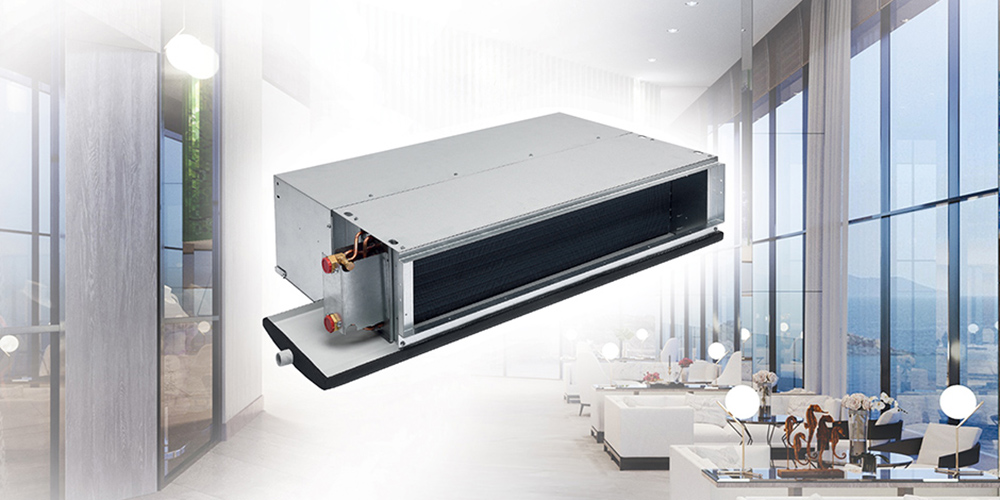
Ducted systems are designed to evenly cool and heat large areas. Generally preferred for larger buildings, these systems regulate airflow through ducts. Advantages include simultaneous climate control for multiple areas and an unobtrusive design.
Chiller Systems
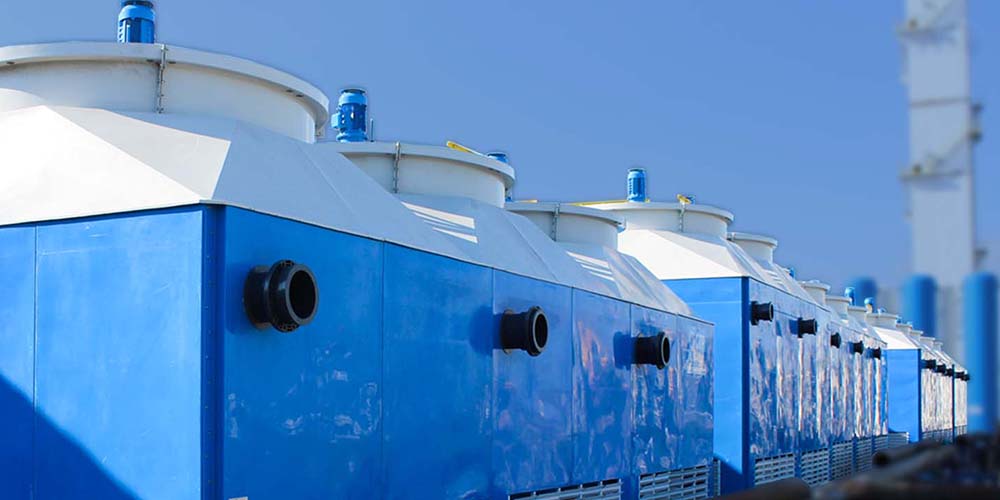
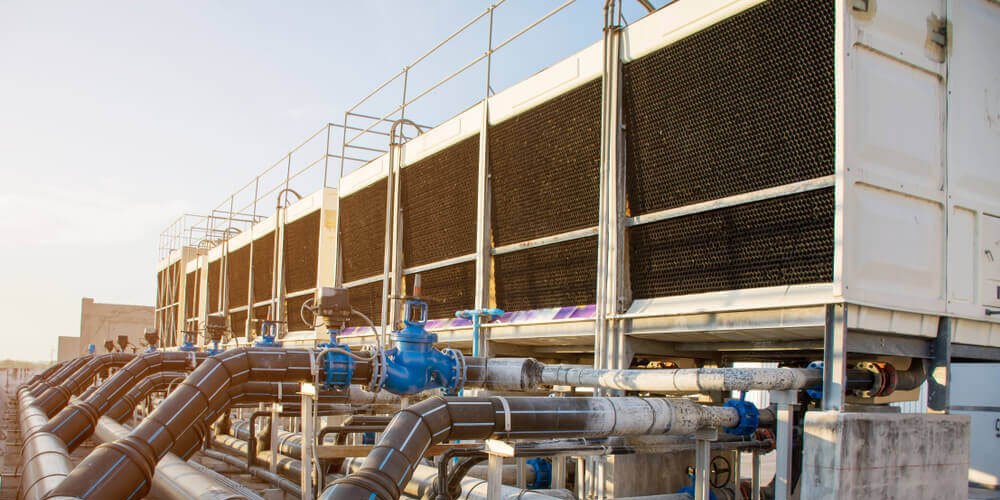
Chiller systems are ideal for industrial plants and large commercial centers. They can be water-cooled or air-cooled and offer high-capacity cooling. Their energy efficiency can significantly reduce costs in large spaces.
Key Considerations When Choosing Industrial Air Conditioning
When choosing an industrial air conditioning system, there are several key factors to consider. These factors ensure both energy efficiency and the long life of the equipment. A proper choice will meet your climate control needs effectively.
In addition, correctly selecting an industrial air conditioning system has a major impact on overall business efficiency. Wrong choices may lead to higher energy consumption, high operating costs, and rapid wear. Therefore, careful evaluation is crucial.
| Feature |
Description |
Importance Level |
| Coverage Area |
Size of the area the system needs to cool. |
High |
| Energy Efficiency |
The ratio of energy used to cooling provided. |
High |
| Climate Conditions |
The climate of the business location. |
Medium |
| Maintenance Ease |
Level of effort required for maintenance and repair. |
Low |
Selection Process Steps can be summarized as follows for making the right industrial air conditioning choice:
- Conduct a needs analysis.
- Evaluate energy efficiency and coverage area.
- Consider climate conditions.
- Research different brands and models.
- Seek expert advice.
- Review contract terms.
- Plan the installation process.
A careful selection process meets your business’s climate control needs optimally. To save costs and create a comfortable work environment, all relevant factors should be considered. Correct identification of the industrial air conditioning system will provide long-term benefits.
Advantages of Using Industrial Air Conditioning
Industrial air conditioning systems are specially designed to meet the climate control needs of various businesses. They stand out due to their advantages in energy efficiency and air quality. The comfort provided by industrial air conditioning can increase employee productivity and positively affect business processes.
| Advantage |
Description |
Impact Area |
| Energy Efficiency |
Modern systems provide more cooling with less energy consumption. |
Business Costs |
| Air Quality |
Provides clean air through filtration systems. |
Employee Health |
| Long Lifespan |
Made with durable materials, suitable for long-term use. |
Process Stability |
| Flexibility |
Easily applicable to different areas, modular structure. |
Application Areas |
Bir işletme için industrial air conditioning kullanmanın birçok faydası vardır. Bu sistemler, ortamın sıcaklığını kontrol altına alırken, nem oranını da dengeleyerek ideal bir çalışma ortamı sağlar. Ayrıca, kalitesiz hava, çalışanların sağlığını olumsuz etkileme potansiyeline sahipken, endüstriyel klimalar ile bu riskler minimize edilir.
Key Advantages
- Reducing costs through energy savings.
- Improved air quality.
- Increased work efficiency.
- Long lifespan and low maintenance costs.
- Ability to adapt to various areas.
- Systems equipped with advanced technology.
industrial air conditioning systems play an important role in many sectors. They offer numerous advantages in terms of energy efficiency and improving employee comfort. With the right choices, these systems can provide long-term benefits for both businesses and employees.
Conclusion: Recommendations for Choosing Industrial Air Conditioning
industrial air conditioning selection plays a critical role in business efficiency and comfort. The right air conditioning system provides energy savings while increasing employee productivity. There are many factors to consider when making a choice. Proper evaluation of these factors will enhance long-term gains for businesses.
When purchasing an industrial air conditioning unit, you should consider energy efficiency, capacity, and maintenance requirements. In addition, factors such as the climate zone, area size, and intended use are important for determining the most suitable system. Consulting experts while evaluating these factors is highly beneficial.
| Criteria |
Description |
Importance Level |
| Energy Efficiency |
System’s ability to save energy. |
High |
| Indoor Area Size |
Dimensions of the area where the system will be installed. |
High |
| Maintenance Ease |
Level of maintenance and repair required. |
Medium |
| Brand and Model Selection |
Review models offered by reliable brands. |
Low |
In addition, businesses should consider specific implementation recommendations to increase functionality according to climate control needs. These recommendations will simplify the selection process and protect the company’s budget.
“When making a choice, always consider long-term costs.”
Implementation Recommendations
- Choose models with high energy efficiency.
- Determine capacities suitable for the area size.
- Make decisions based on expert opinions.
- Evaluate brand reliability.
- Develop long-term maintenance plans.
- Review warranty and service contracts.
- Analyze savings reports and follow current systems.
industrial air conditioning selection is a process that must be carried out carefully. The right choice will increase business performance and allow energy savings.