What is a Filter? Definition and Importance
What is a filter? This question is a fundamental concept used in many different fields. In general terms, a filter is a system that allows certain substances to pass according to a specific priority while separating unwanted materials. These systems serve various functions in applications such as water purification, air filtration, or microbe removal, providing quality and cleanliness. The importance of filters lies not only in the cleanliness and filtration they provide but also in their contribution to various industries.
The structure and function of filters vary depending on the materials used. For example, water filters typically use carbon and sand, while air filters often use HEPA or electrostatic materials. The main functions of filters include removing contaminants, capturing particles, and ensuring the circulation of healthy air or water in a given environment. Therefore, filter systems are highly important in many different sectors.
| Filter Type | Application Area | Features |
|---|---|---|
| Water Filters | Home and industrial water purification | Prevents dirt and sediment, reduces chemical substances |
| Air Filters | HVAC systems | Improves air quality, reduces allergens |
| Oil Filters | Automotive industry | Cleans the oil and extends engine life |
| Food Filters | Food processing facilities | Removes microbes and harmful substances |
Along with the advantages provided by filters, there are certain points that users need to pay attention to. Regular replacement of filters is critical for increasing efficiency and preventing malfunctions. Also, filter selection should consider quality and material properties. Therefore, before purchasing a filter, it is recommended to clearly identify your needs and review the different options available on the market.
Main Features of Filters
- Effectively removes contaminants
- Long-lasting and durable materials
- Can be designed in various sizes and shapes
- Provides energy efficiency
- Produced with environmentally friendly materials
- Easy maintenance and replacement
What is a filter? This question goes beyond a simple product definition. These systems are extremely important for improving our quality of life and raising health standards in various sectors. Filter use, with proper selection and maintenance, can be long-lasting and efficient. Therefore, gaining more information about filters provides significant advantages for users.
Types of Filters and Application Areas
What is a Filter? This concept refers to systems and devices used in different areas for specific purposes. These systems separate unwanted substances to achieve a higher quality product. For example, filters play a significant role in water purification and air cleaning processes, which are critical for both health and quality of life.
The types of filters vary according to their application areas. Each filter is designed based on the sector and specific needs. For example, industrial filters are made from more durable materials and have higher capacity than residential filters. Therefore, proper selection of filters is of great importance.
| Filter Type | Application Area | Description |
|---|---|---|
| Water Filters | Home, Industry | Used to clean dirty water. |
| Air Filters | Home, Vehicle | Captures harmful particles in the air. |
| Oil Filters | Automotive | Removes contaminants in engine oil. |
| Dust Filters | Construction, Industry | Separates dust and particles from the air. |
Filters generally operate in various ways and exist in different types. The place of use is an important factor affecting filter efficiency. In this context, correct filter selection provides advantages in both performance and cost.
Water Filtration
Water filtration is one of the most important ways to achieve clean drinking water. Advanced filtration systems effectively remove deposits and contaminants from water, ensuring healthier drinking water.
Air Filters
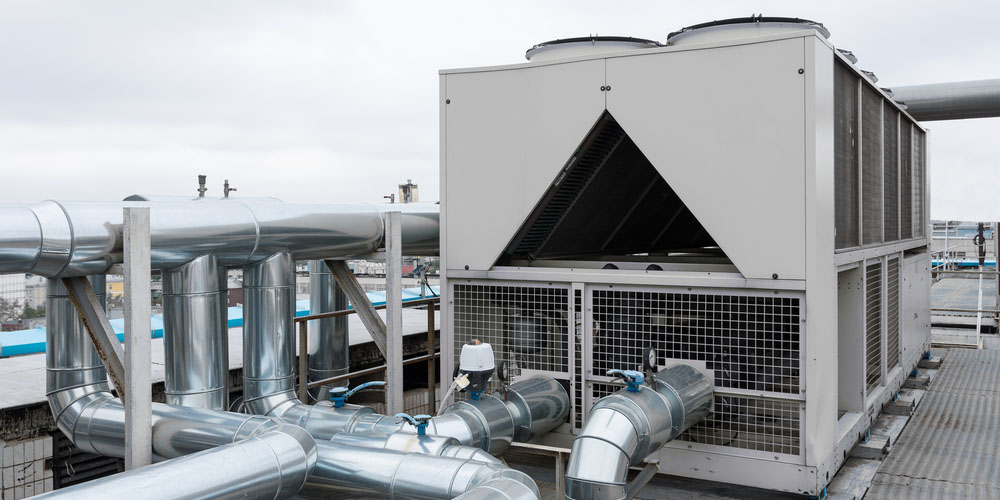
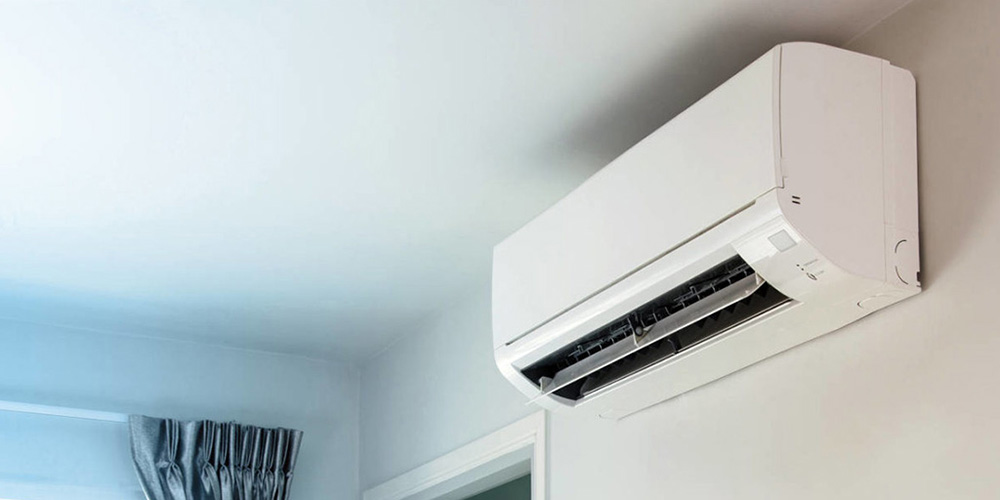
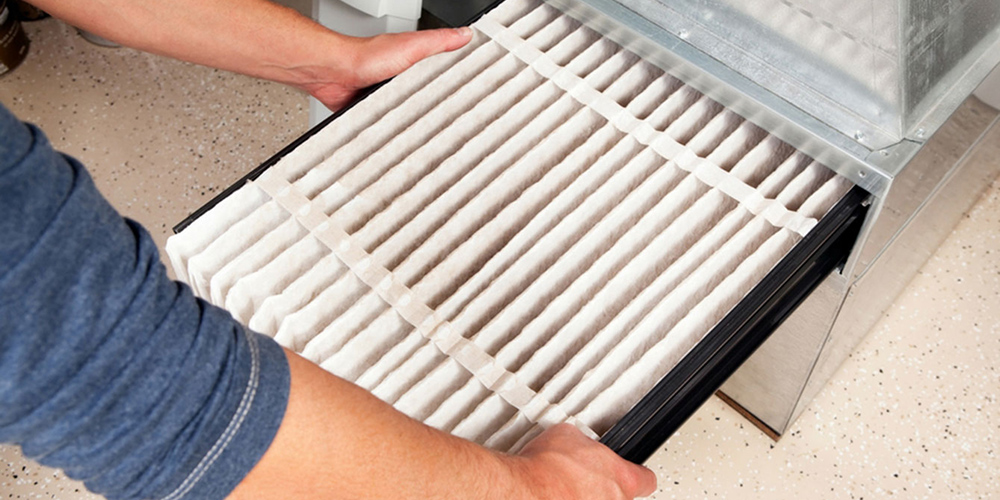
Air filters are crucial in both industrial and residential applications. They are used especially in enclosed spaces to improve air quality and remove harmful substances from the air we breathe. The performance of these filters is critical for sustainable health.
Filter Types
- Water Filters
- Air Filters
- Oil Filters
- Dust Filters
- Activated Carbon Filters
- Electrical Filters
- HEPA Filters
Filters not only clean contaminants but also save energy. Proper filtration increases energy efficiency and can provide significant savings in work processes.
Considerations When Using Filters
Filter use plays an important role in both individual and industrial areas. In this context, what is a filter? it is critical to understand certain details regarding the correct usage of filters. Filters are often used to separate unwanted substances and improve the quality of products such as water and air. However, incorrect use can result in undesired outcomes.
The effectiveness of a filter depends on its intended purpose and installation method. Particularly, what is a filter? it is extremely important to recognize the types of filters used. Proper filter selection reduces costs and increases overall performance. Therefore, before using a filter, it is necessary to clearly define needs and conditions.
| Filter Type | Application Area | Features |
|---|---|---|
| Air Filter | Automotive, HVAC Systems | High dust and dirt retention capacity |
| Water Filter | Residential, Industrial | Reduces pollution and improves water quality |
| Network Filters | Computer Networks | Controls data traffic and increases security |
| Oil Filter | Engines | Keeps the oil clean and extends engine life |
There are many points to consider when using filters. Considering environmental factors and usage conditions are among the factors affecting the lifespan and efficiency of filters. Particularly, in addition to answering the question what is a filter? , the following recommendations should be noted:
Important Warnings
- Do not neglect periodic maintenance of filters.
- Conduct detailed research to select the appropriate filter type.
- Follow filter replacement schedules.
- Read the user manual carefully.
- Prevent potential damage from incorrect filter use.
- Evaluate the effect of filters in enclosed spaces.
- Prioritize quality when choosing filters.
All these factors directly affect filter performance and lifespan. Gaining deeper knowledge about what is a filter? helps make correct decisions in filter selection and usage. It should be remembered that effective use of filters is crucial for health and sustainability.
Advantages and Disadvantages of Filters
There are many details to know about what is a filter?. However, the advantages and disadvantages of filters help us better understand the conditions under which they operate. Filter efficiency and performance play a major role in many sectors. Proper filter use prevents undesired outcomes, while incorrect use may cause serious issues.
Advantages of filters include efficient energy use, longer device life, and improved product quality. Clean air and water are highly important for both health and the environment. However, the disadvantages of filters should also be considered. Low-quality filters, or those not replaced or used correctly, may have many negative effects.
| Advantages | Disadvantages | Recommendations |
|---|---|---|
| Provides energy savings | Initial cost may be high | Choose a quality filter |
| Improves product quality | Requires regular maintenance | Perform periodic checks |
| Extends device life | Incorrect use can cause issues | Follow proper usage instructions |
| Beneficial for health | Filter replacement schedules may be missed | Monitor replacement times |
Pros and Cons This section clearly shows the advantages and disadvantages of filters. The positive aspects of filter use often outweigh the negative aspects, but users and managers must still pay attention to critical points.
In summary, What is a Filter? is not just a definition; it is also an opportunity to make informed choices by evaluating the advantages and disadvantages of filters. When selecting a filter for any system, carefully analyzing pros and cons is critical for achieving healthy and efficient results.
Conclusions on Filter Usage
Filters play a significant role in many sectors. The answer to what is a filter? is directly related to the diversity of areas in which these devices are used. Filter usage is widespread, from water purification and air cleaning to the food industry and electronics sector. In this process, regular and proper filter use is critical for achieving the best results.
The benefits of filter use not only protect user health but also ensure efficient use of resources. Regular maintenance of water filters, in particular, improves water quality and reduces disease risks. Furthermore, there are specific criteria to monitor throughout the lifecycle of filters.
| Filter Type | Source Area | Purpose of Use |
|---|---|---|
| Water Filters | Drinking Water | Removes toxins |
| Vehicle Filters | Automotive | Improves engine efficiency |
| Air Filters | Indoor | Removes pollutants |
| Oil Filters | Industrial | Improves oil quality |
To enhance filter efficiency, it is important to consider the following steps. These applications and recommendations will help achieve better results in filter usage.
Applications and Recommendations
- Regularly inspect your filter and replace it when necessary.
- Follow maintenance instructions specific to the type of filter used.
- Pay attention to quality certifications for water and air filters.
- Optimize filter placement to improve airflow efficiency.
- Install filters correctly according to the mounting type.
- Research advanced filter technologies and follow innovations.
- Evaluate performance after each use and make necessary adjustments.
The answer to what is a filter? not only ensures effective use and maintenance of these devices but also allows users to access healthier and more reliable products. The potential of filters to enhance quality of life increases with continuous improvement in maintenance and usage habits.