What is Energy? This blog post discusses the concept of energy, its basic components, and its importance. The various types of energy are explained along with the evaluation of natural resources. The principles of energy conversion are presented to readers with supporting examples. In addition, the effects of energy on the economy and the environment are examined in detail. The conclusion emphasizes key considerations for energy use. Energy plays a vital role as a fundamental element of daily life and economic activities. This article aims to answer the question “What is energy?” while also raising awareness about using energy resources more efficiently.
What is Energy? Basic Concepts and Importance
What is Energy? The answer to this question holds a significant place both in our daily lives and in scientific research. Energy is the capacity to perform physical work and exists in various forms. It can be stored and used in many forms such as heat, motion, and chemical potential. Therefore, properly defining and understanding energy is vital for both individuals and societies.
| Type of Energy | Description | Examples |
|---|---|---|
| Potential Energy | Energy possessed due to the position of an object | Dam reservoir, spring |
| Kinetic Energy | Energy possessed by a moving object | A moving car, a running person |
| Chemical Energy | Energy stored within a chemical bond | Fuels, food materials |
Understanding the fundamental characteristics of energy is critical to knowing how it can be obtained from different sources and used efficiently. In this context, Basic Properties of Energy:can be listed as follows:
- Energy cannot be created or destroyed.
- Energy can be transferred or transformed.
- It can be converted between different types.
- Energy increases the capacity to do work.
- Energy is limited in nature and must be used carefully.
Energy is a broad concept that covers not only physical aspects but also economic and environmental dimensions. In the modern world, energy use shows its impact in many areas from industry to individual consumption and plays a critical role in achieving sustainable development. What is Energy? The answers to this question give us important insights into how these resources will be utilized and managed.
Energy is one of the most basic needs to sustain life. Therefore, the conscious use of energy resources is very important for our future.
Types of Energy: Evaluation of Natural Resources
What is Energy? The concept has great importance in our daily life and industrial applications. Energy is the capacity to do work and can be found in various forms. People use energy resources to carry out many activities and sustain their lives. Proper evaluation of these resources is the key to a sustainable future.
Among the various types of energy, the most well-known are renewable energy, fossil fuels, and nuclear energy. These types attract attention both with their environmental impact and economic aspects. The efficient use of natural resources aims to save energy and reduce environmental pollution.
Types of Energy and Their Characteristics
| Type of Energy | Characteristics | Advantages |
|---|---|---|
| Renewable Energy | Energy that can be continuously obtained from nature | Environmentally friendly, sustainable |
| Fossil Fuels | Hydrocarbons extracted from underground resources | High energy efficiency |
| Nuclear Energy | Energy obtained by splitting atomic nuclei | High energy density |
The use of natural resources is not limited to energy production. Energy saving and efficiency enhancement methods are also gaining importance in this field. Users need to review their energy consumption habits. In this context, Steps for Energy Types Application: are listed below:
- Identifying energy needs
- Researching local energy resources
- Planning renewable energy projects
- Efficient use of fossil fuels
- Alternative solutions for nuclear energy use
- Integration of energy-saving technologies
- Reviewing policies regulating energy use
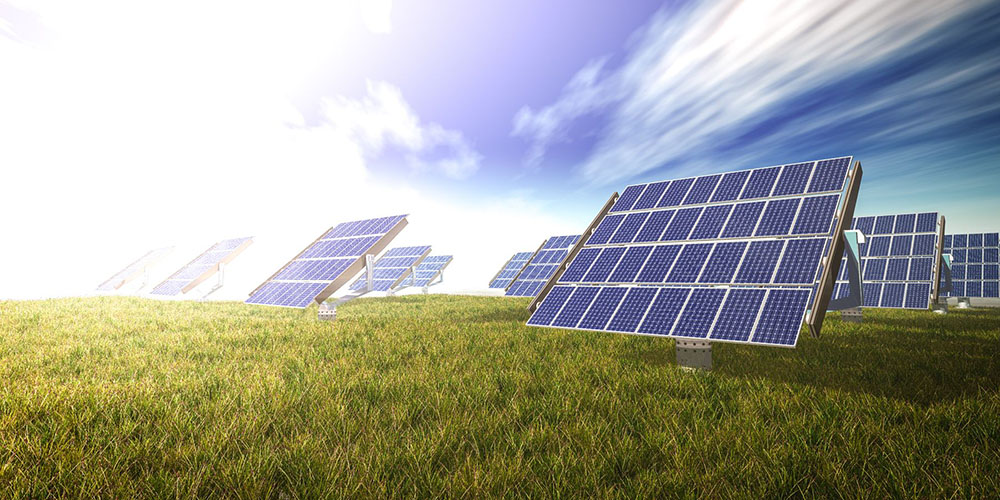
Renewable energy is an energy source that is rapidly gaining importance today. Sources such as solar, wind, hydroelectric, and biomass are used for energy production with the advantages offered by nature. One of the biggest features of these types of energy sources is that they minimize environmental impact and support sustainability.
Renewable Energy
Renewable energy offers an inexhaustible source of energy because natural resources are continuously renewed. Especially solar and wind energy have become among the most preferred energy types worldwide in recent years. The use of these sources both reduces costs and increases energy independence.
Fossil Fuels
Fossil fuels are energy obtained from sources such as coal, oil, and natural gas. This type of energy provides high energy efficiency; however, it also causes environmental problems such as carbon emissions. The use of fossil fuels constitutes one of the biggest debates in the energy sector.
Nuclear Energy
Nuclear energy is a powerful form of energy released by splitting atomic nuclei. This type of energy has the capacity to produce large amounts of electricity and, as a carbon-free energy source, reduces environmental impact. However, nuclear waste management and safety issues are still among the major debated topics.
Energy Conversion: Principles and Examples
Energy emerges as a fundamental force that enables the movement and interactions of physical systems. What is Energy?The question is critical to understanding energy types, conversion processes, and their importance in human life. Energy conversion processes ensure the effective use of energy resources and contribute to sustainable development. Therefore, understanding and implementing energy conversion is essential to increase energy efficiency.
Energy conversion means the transformation of energy types into one another. Transitions can be made between types such as heat energy, mechanical energy, and electrical energy. The various stages and examples of the energy conversion process play a critical role in meeting the needs of modern life. For example, the conversion of fossil fuels into heat energy is a frequently used method for electricity production.
| Type of Conversion | Source | End Product |
|---|---|---|
| Heat Energy Conversion | Fossil Fuels | Electrical Energy |
| Mechanical Energy Conversion | Wind | Electrical Energy |
| Electrical Energy Conversion | Solar Panels | Heat Energy |
| Chemical Energy Conversion | Biofuels | Heat Energy |
In the energy conversion process, certain steps must be taken. These steps ensure the efficient use of energy resources and minimize environmental impacts. Steps of the Energy Conversion Process:
- Identifying the Energy Source
- Choosing the Conversion Method
- Performing the Energy Conversion
- Evaluating the Final Product
- Conducting Efficiency Analysis
- Examining Environmental Impacts
Over time, energy conversion methods are also evolving. Heat Energy Conversion; is the process where heat energy is converted into mechanical or electrical energy. This conversion increases energy efficiency, especially in industrial facilities and residences. In addition to traditional systems, the use of renewable energy sources has an important place in this field.
Heat Energy Conversion
Heat energy conversion usually occurs through the combustion of fossil fuels. This form of energy is widely used for electricity generation and heating purposes. However, this process also brings environmental impacts. Therefore, a transition to cleaner and renewable energy sources is encouraged.
Electrical Energy Conversion
The electrical energy conversion process is mostly carried out using renewable sources such as wind, solar, and hydroelectric power. The methods used in the storage and distribution of electrical energy ensure that this conversion is more efficient. This is considered an important step in achieving sustainability goals.
The Effects of Energy on Economy and Environment
What is Energy? The question is a very important topic in today’s world. Energy, beyond being just a physical concept, plays a critical role in the economy and environmental balance of countries. Proper management of energy supports economic growth and contributes to solving environmental problems.
In terms of its effects on the economy, energy resources and consumption ensure the development of industry and create employment. Especially countries that adopt sustainable energy policies gain long-term economic advantages. In this context, increasing energy efficiency offers a great opportunity to achieve both economic and environmental gains.
| Type of Energy | Economic Effects | Environmental Effects |
|---|---|---|
| Renewable Energy | Increases employment and reduces costs | Low emissions and sustainability |
| Fossil Fuels | Costly in the short term but high energy production | High emissions and climate change |
| Nuclear Energy | High efficiency but high initial costs | Radioactive waste problem |
Consumption habits and energy efficiency also have significant impacts on environmental factors. Reducing energy consumption helps lower greenhouse gas emissions and contributes to the conservation of natural resources. At this point, carrying out energy conversion processes more effectively is of critical importance.
Economic Benefits of Energy:
- Creating employment opportunities
- Supporting industrial development
- Reducing costs
- Opportunity to invest in new technologies
- Increasing commercial competitiveness
- Ensuring sustainable development
What is Energy? The answer lies in the balance between the efficient use of energy resources and the economy and environment. Achieving this balance will be a critical step for a more sustainable world in the future.
Conclusion: Things to Consider in Energy Use
Energy consumption is an indispensable part of modern life. However, What is Energy? Beyond understanding the answer to the question, how we use this energy and which sustainable methods we adopt are also of great importance. The efficient use of energy plays a critical role not only in reducing costs but also in minimizing negative environmental impacts.
| Types of Energy | Advantages | Disadvantages |
|---|---|---|
| Renewable Energy | Natural and inexhaustible resources | Initial costs can be high |
| Fossil Fuels | High energy efficiency | Polluting and limited resources |
| Nuclear Energy | Takes up little space and provides high energy production | Waste management problems |
| Natural Gas | Cleaner burning method | Challenges in liquefaction |
The evaluation of natural resources and awareness of What is Energy? provides energy savings at both individual and social levels. Therefore, it is necessary to raise awareness and organize educational programs. As a society, it is important to take initiatives to use our energy resources effectively.
Optimizing energy consumption is one of the cornerstones of sustainable living.
Energy Saving Tips:
- Use energy-efficient appliances at home.
- Choose LED bulbs for lighting.
- Regularly maintain your heating and cooling systems.
- Generate your own energy with solar panels.
- Unplug electronic devices when not in use.
- Lower your water heaters to save energy.
- Make the most of natural light.
The proper use of energy resources is essential to both protect the natural balance and ensure economic sustainability. Understanding the basic concepts of energy and knowing the advantages and disadvantages of energy types are important for building a cleaner future.