What is Climate Control? This blog post covers the basics of climate control systems, their importance, and their types. Climate control is the process of providing a comfortable living space by controlling the temperature, humidity, and air quality of indoor spaces. The article also touches on the main benefits of climate control systems, including energy efficiency and improved air quality. In addition, it details the factors to consider when selecting the right climate control system and best practices. By answering the question “What is Climate Control?”, it provides guidance on determining the right systems for both individuals and businesses.
What is Air Conditioning? Basic Information and Importance
What is Air Conditioning?, is the set of methods and systems applied to control the climate of indoor spaces. These systems aim to create an environment suitable for comfort and health by regulating environmental factors such as temperature, humidity, and air quality. Today, air conditioning plays an important role across a wide range of spaces from residences to commercial areas. Proper air conditioning methods contribute to an improved quality of life.
The main purpose of air conditioning systems is to provide comfortable living spaces for people. In addition, these systems are vital in certain industrial processes. For example, correct air conditioning is essential for maintaining production continuity and quality in sectors such as food, pharmaceuticals, and electronics. The benefits provided by these systems include energy efficiency, cost reduction, and increased work productivity.
| System Type | Features | Advantages |
|---|---|---|
| HVAC Systems | Heating, Ventilation and Air Conditioning | Energy efficiency, provides comfort |
| Natural Conditioning | Natural ventilation and solar heating | Low cost, environmentally friendly |
| Split Air Conditioning Systems | Operates with two separate units | Strong performance, easy installation |
| Central Conditioning | System covering the entire area | Effective cooling/heating, low circulation costs |
However, air conditioning systems also have certain characteristics. These features directly affect the effectiveness of the systems and user comfort. Below, the features of air conditioning systems are listed:
- Energy efficiency
- Air cleaning capacity
- Monthly energy consumption management
- Noise level management
- Remote access and control
- Multi-functionality (heating, cooling, humidity control)
what is air conditioning answers show the existence of a versatile system that improves the comfort and health of living spaces. Proper use of these systems provides many benefits in various areas. In the coming periods, air conditioning systems are expected to be further developed and improved in terms of energy efficiency.
Air Conditioning Systems and Types
What is Air Conditioning? the concept means controlling temperature, humidity, and air quality in living spaces to create a comfortable environment for people. These systems are especially important in regulating the indoor conditions of buildings. Choosing the right air conditioning system increases both people’s comfort and energy efficiency. Therefore, air conditioning systems are widely used in all areas today.
Under the heading What is Air Conditioning? the first topic to be determined is the basic functions and classifications of air conditioning systems. Air conditioning systems are generally grouped into two main categories: cooling and heating systems. Each of these systems is designed to respond to different requirements depending on specific conditions. Air conditioning systems help increase comfort levels in our living spaces and workplaces while also helping to save energy. For this reason, air conditioning systems are commonly used today.
The first topic to be covered under What is Air Conditioning? is the basic functions and variety of air conditioning systems. Air conditioning systems are generally divided into two main groups: cooling and heating systems. Each of these systems is designed to meet different requirements under certain conditions. Air conditioning systems increase comfort in our living and working spaces and also assist in saving energy. Therefore, they are widely used today.
| System Type | Description | Example Usage Areas |
|---|---|---|
| Central Systems | Uses a single heating/cooling source for the entire building. | Office buildings, shopping centers |
| Split Systems | Includes units that can operate independently in each room. | Homes, small offices |
| Hybrid Systems | Operates with a combination of heat pump and boiler. | Places requiring high energy efficiency |
| Natural Ventilation | Changes indoor air using natural air flow. | Places where low energy consumption is desired |
The types of air conditioning systems vary according to use area and needs. The effective operation of these systems depends on the space’s temperature and humidity levels. Here are some important air conditioning system types:
Air Conditioning System Types
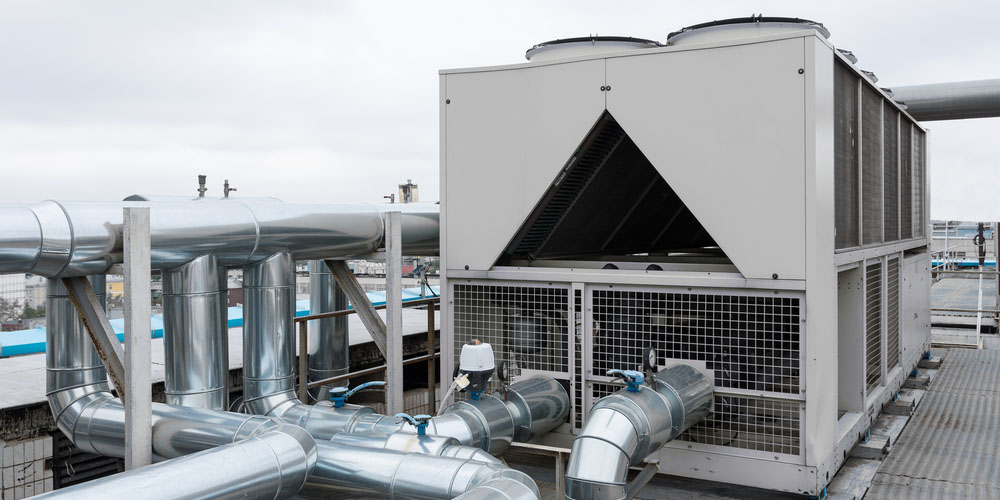
- Central Air Conditioning Systems
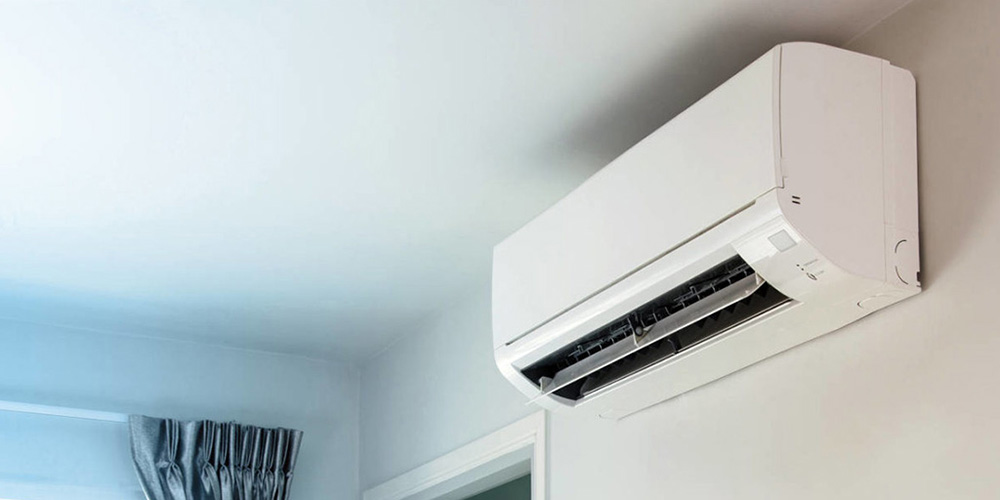
- Split Air Conditioning Systems
- Portable Conditioning Units
- Natural Ventilation Systems
- Hybrid Conditioning Systems
Another important topic is the advantages and energy efficiency provided by air conditioning systems. Each system has the ability to control air quality and temperature in a specific environment, increasing comfort while offering more sustainable solutions. Because technology is constantly renewed in these areas, modern systems are developed to consume less energy while providing greater efficiency.
Air Cooling Systems
Air cooling systems are techniques developed to keep indoor spaces cool during the hot summer months. These systems are commonly known as air conditioners or cooling units. Air cooling plays a critical role in providing a comfortable living environment by lowering the ambient temperature.
Air Heating Systems
Air heating systems are methods used to raise indoor temperatures during the winter months. These systems typically operate through central heating systems and natural gas boilers. Air heating creates high-comfort living spaces while minimizing energy consumption.
Hybrid Systems
Hybrid systems enable the use of different heating and cooling technologies together to increase energy efficiency. These systems generally operate with both a heat pump and conventional energy sources, offering effective solutions in various environments. The advantage of these systems is that they provide flexibility against changing weather conditions.
Main Benefits of Air Conditioning
What is Air Conditioning? is a critical topic to understand the significant impacts that air conditioning systems have on human life and the environment. Air conditioning is the set of systems aimed at controlling the climate of enclosed spaces. These systems offer important benefits for comfort and health by regulating temperature, humidity, and air quality.
Air conditioning systems have become indispensable parts of modern life. Especially in religious, social, and work areas, these systems are actively used; they not only provide comfort but also offer major advantages in terms of energy saving and efficiency.
| Air Conditioning Type | System Features | Application Areas |
|---|---|---|
| Central Air Conditioning | Control from a single center | Large buildings, offices |
| Splitter Air Conditioning | Multiple units | Homes, small offices |
| Chiller Systems | Cooling with water | Industrial facilities |
| Natural Conditioning | Use of air flows | Local residences |
In answer to What is Air Conditioning? , the main benefits of these systems include energy efficiency, improved air quality, and increased comfort levels. In addition, air conditioning systems provide a more stable climate during seasonal transitions, improving quality of life.
Benefits of Air Conditioning
- Reduces health problems by providing improved air quality.
- Optimizes energy consumption, reducing costs.
- Maintains room temperature at ideal levels, enhancing comfort.
- Provides humidity control, preventing structural damage.
- Increases productivity, especially raising employee motivation in workplaces.
- Offers a living environment independent of seasonal atmospheric conditions.
What is Air Conditioning? represents a highly important subject for improving physical comfort and health conditions. The benefits provided by air conditioning systems make them functional in many areas.
Choosing Air Conditioning Systems: Considerations
What is Air Conditioning? When starting from this question, air conditioning refers to systems designed to control factors such as temperature, humidity, and air quality in order to create a more comfortable living environment. These systems are used in both commercial and residential areas, increasing quality of life. There are many factors to consider when selecting air conditioning systems. These factors can directly affect the system’s efficiency and performance.
When making a selection, the energy efficiency of the air conditioning system should be checked first. High energy efficiency systems save energy in the long run and provide cost savings. They are also important for environmental sustainability. The air conditioning system should be compatible with the size and construction characteristics of the enclosed space. This ensures the desired comfort and extends the system’s lifespan.
| Air Conditioning System | Energy Efficiency | Installation Cost |
|---|---|---|
| Split Air Conditioner | High | Medium |
| Central Air Conditioning | Medium | High |
| Internal Air Conditioner | Low | Low |
Another important criterion is maintenance and service availability. Remember that air conditioning systems need regular maintenance. Ease of access to maintenance increases the system’s longevity. Also, the system must be suitable for the intended use. For example, quiet systems should be preferred for office environments, while appropriately sized systems should be selected for residential areas.
Air Conditioning System Selection Criteria
- Energy efficiency
- Size of the enclosed area
- Maintenance and service availability
- Suitability for the intended use
- Installation cost
- Brand and model reliability
The answer to What is Air Conditioning? gains more meaning with the correct selection of these systems. Choosing an air conditioning system requires a multifaceted evaluation process. Therefore, considering these criteria is important for both comfort and economy.
Best Practices in Air Conditioning Applications
What is Air Conditioning?, aims to create a comfortable indoor environment by controlling air temperature and humidity levels. This is a significant factor especially in large spaces, buildings, or industrial facilities. Air conditioning systems are necessary to provide appropriate conditions in every season; however, efficient use and proper implementation of these systems play a critical role in energy savings and sustainability.
Best practices in air conditioning applications are based on several core principles to ensure effectiveness and efficiency. Therefore, it is necessary to choose and implement the right systems according to the indoor climate needs. During applications, it is important to aim to increase air quality, raise energy efficiency, and reduce costs. Also, regular maintenance of systems increases longevity and performance.
| Application Area | System Type | Efficiency Rate (%) |
|---|---|---|
| Offices | Central Air Conditioning | 85 |
| Homes | Split Air Conditioner | 90 |
| Industrial Facilities | Air Handling Units | 80 |
| Stores | Ventilation Systems | 75 |
Steps for Successful Air Conditioning Applications
- Perform a needs analysis and determine the appropriate air conditioning system.
- Check the energy efficiency of systems.
- Perform correct installation with an expert team.
- Plan regular maintenance and repairs.
- Increase control with automation systems.
- Monitor and improve indoor air quality.
- Follow technologies that will provide energy savings.
Correct practices in air conditioning both increase user comfort and ensure energy efficiency. Ensuring sustainability and energy savings in air conditioning is among today’s top priorities. Therefore, by following the steps listed above, an effective and efficient air conditioning process can be achieved. By considering these points in your applications, you can both increase comfort and minimize costs.