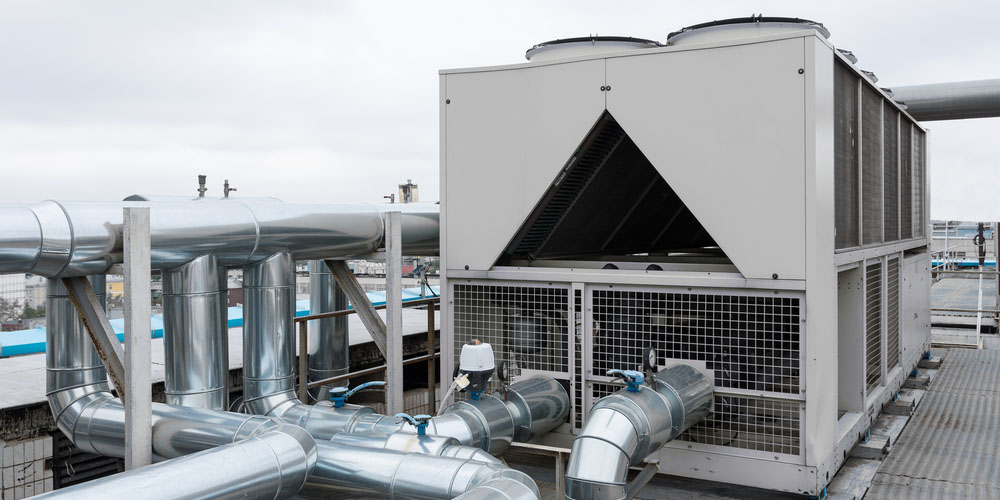
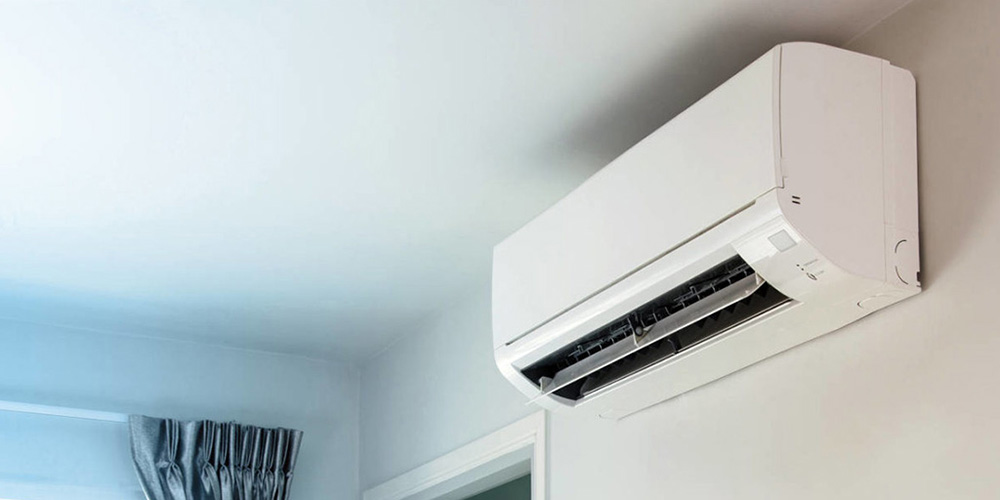
This blog post provides a comprehensive answer to the question What is an Air Conditioner?. An air conditioner is a device used to control the temperature and humidity of indoor spaces. The article presents basic information about how air conditioners work and their different types. Additionally, it covers important points to consider when choosing an air conditioner. The importance of air conditioner maintenance and maintenance methods is also explained in detail. Finally, the post highlights the benefits of using air conditioners and provides readers with information on how to make the most efficient use of climate control systems. Understanding the advantages and requirements of air conditioners will improve users’ quality of life.
What is an Air Conditioner? Basic Information and Definitions
What is an Air Conditioner? is a critical question for creating a comfortable living space both in summer and winter. An air conditioner is a device used to control the temperature, humidity, and ventilation of indoor spaces. These systems can cool hot air or heat cold air. Air conditioners have become indispensable in modern life to increase comfort levels and provide energy savings.
The primary functions of air conditioners include circulating air and maintaining indoor temperatures at desired levels. Especially during summer, when outdoor temperatures rise, air conditioners take over the function of cooling the hot air. In winter, some air conditioner models act as heaters to increase indoor warmth. This demonstrates the versatility of air conditioning systems.
| Type of Air Conditioner | Features | Usage Areas |
|---|---|---|
| Window Air Conditioner | Small and economical, easy installation. | Individual apartments. |
| Split Air Conditioner with Outdoor Unit | Good aesthetic appearance, quiet operation. | Offices, homes. |
| Portable Air Conditioner | Thin and lightweight, movable. | Temporary spaces, outdoor events. |
| VRF Systems | High efficiency, can control multiple zones. | Large buildings, hotels. |
What You Should Know About Air Conditioners
- Air conditioners can cool hot air or heat cold air.
- Air circulation is the most important part of the system.
- Window units are ideal for small spaces.
- Split units are preferred for their aesthetic and quiet operation.
- Portable units are ideal for temporary solutions.
- VRF systems are used in large buildings and complexes.
- Regular maintenance is necessary for efficient operation.
In light of all this information, it is possible to answer the question what is an air conditioner?. Air conditioning systems are complex structures designed to provide comfort in our living spaces. Thanks to the energy efficiency and performance offered by modern air conditioners, living comfortably in both hot and cold weather has become much easier. Additionally, there are many factors to consider when choosing an air conditioner.
Working Principles and Types of Air Conditioners
Air conditioners play an important role in controlling heat and humidity. These devices regulate the indoor climate to provide a comfortable environment. What is an Air Conditioner? is a critical question to understand the basic function of these systems. Essentially, air conditioners are responsible for cooling the air, reducing humidity, and maintaining a specific temperature. This functionality has been optimized for different needs through various types of air conditioners.
Air conditioning systems generally operate using two main methods: air-cooled and water-cooled. Each type offers advantages depending on the space and climate conditions. Additionally, the efficiency and energy consumption of air conditioners are important factors when making a choice. The right system selection will ensure comfort while minimizing energy costs.
| Type of Air Conditioner | Advantages | Usage Areas |
|---|---|---|
| Air-Cooled Air Conditioner | Easy installation, low cost | Homes, offices |
| Water-Cooled Air Conditioner | High efficiency, long lifespan | Large spaces, industrial buildings |
| Split Air Conditioner | Quiet operation, aesthetic design | Homes, small offices |
| Portable Air Conditioner | Portability, easy to use | Temporary areas, camping sites |
Considering different climate conditions and space requirements, air conditioners are divided into various types. Below, detailed information about these air conditioner types is provided:
- Air-Cooled Air Conditioners
- Water-Cooled Air Conditioners
- Split Air Conditioning Systems
- Portable Air Conditioners
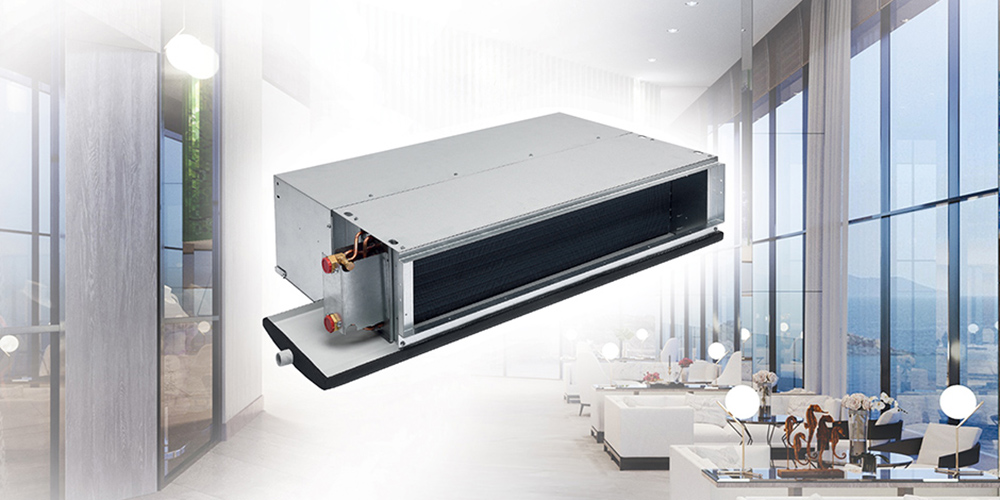
- Ducted Air Conditioning Systems
- Inverter Air Conditioners
Understanding the working principles and types of air conditioners is an important step in choosing the right system. Especially in summer, having sufficient knowledge helps reduce the impact of rising temperatures. By selecting the air conditioner system that best suits your needs, you can increase both comfort and energy efficiency.
Air-Cooled Air Conditioners
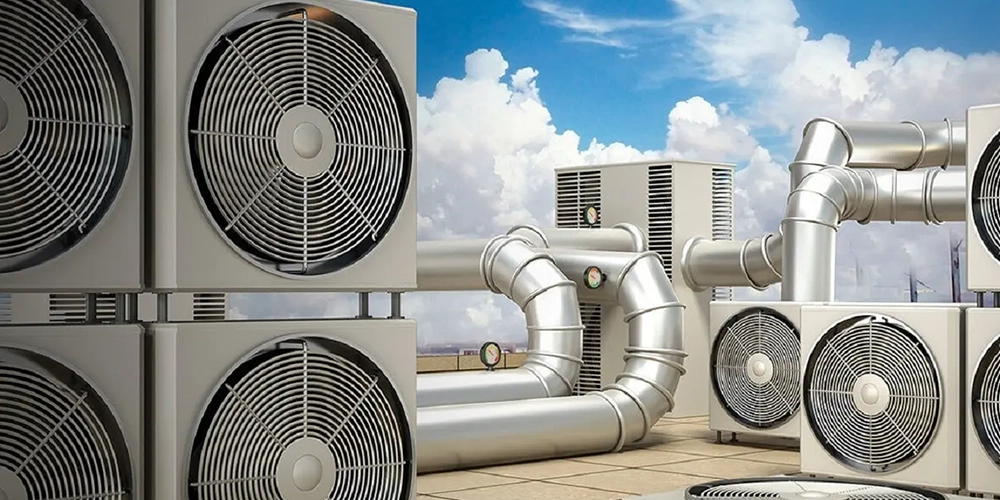
Air-cooled air conditioners are particularly suitable for hot and dry climates. These units operate by cooling the air taken from outside and circulating it indoors. They attract users due to low energy consumption and ease of installation. Additionally, maintenance costs of air-cooled air conditioners are quite low.
Water-Cooled Air Conditioners
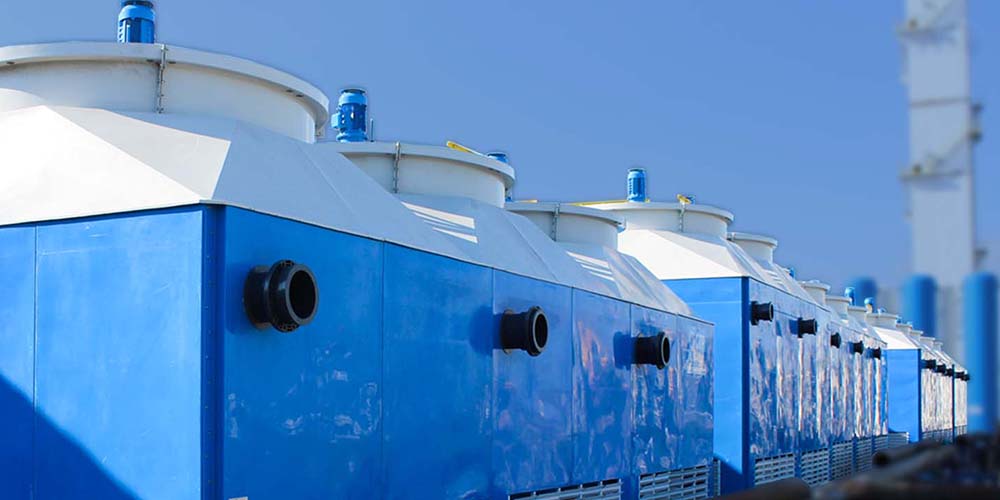
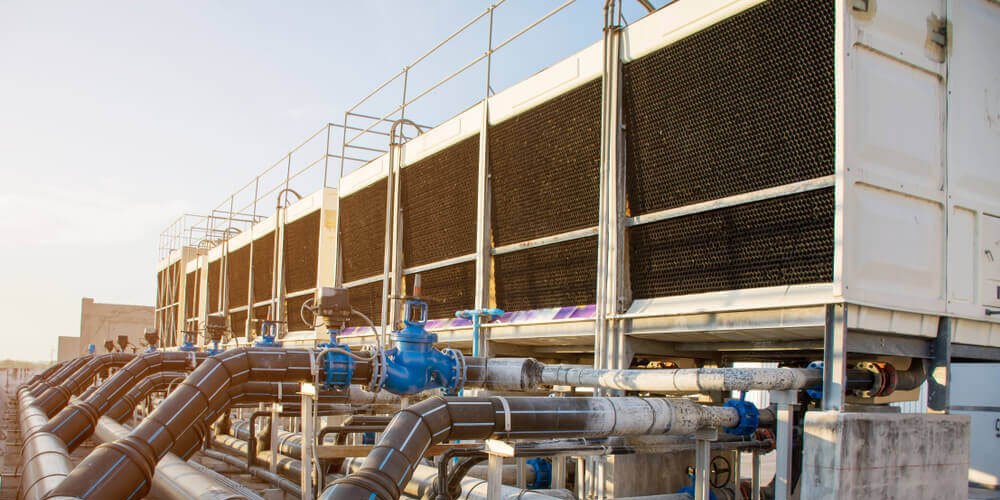
Water-cooled air conditioners are generally suitable for larger spaces and offer advantages in terms of energy efficiency. These systems perform the cooling process using water, which minimizes noise levels indoors. They are commonly used in industrial facilities and large buildings.
Split Air Conditioning Systems
Split air conditioners have both indoor and outdoor units and are noted for their quiet operation. Their aesthetic appearance makes them a popular choice in modern homes. Split units also provide flexibility with horizontal and vertical positioning options according to needs.
Points to Consider When Choosing an Air Conditioner
When purchasing an air conditioner, answering the question what is an air conditioner? helps make the right choice. The primary function of an air conditioner is to cool the air and balance humidity. However, when selecting a unit, not only these functions but also its capacities, energy efficiency, and other technical specifications are important. Therefore, a few key points should be considered when making a selection.
Additionally, the characteristics of the area where the air conditioner will be used should be considered. The model should correspond to the size of the space. For example, a larger living room requires a higher capacity unit. Furthermore, interior design should also influence the choice. Aesthetic appearance and design compatibility with your space should be considered in the selection.
| Feature | Description | Importance |
|---|---|---|
| Capacity | Cooling power of the device | Critical for proper performance |
| Energy Efficiency | Affects usage costs | Provides savings |
| Brand Reliability | Service quality and spare parts availability | Ensures longevity and reliability |
| Designs | Compatibility with indoor space | Enhances aesthetics and usability |
When choosing an air conditioner, the following important points should also be considered:
- Energy efficiency rating
- Noise level
- Maintenance and service options
- Pay attention to capacity
- Model and design options
- Additional features (remote control, Wi-Fi, etc.)
Being careful during the air conditioner purchasing process provides financial benefits and increases comfort. By making a good choice, you can enjoy cooling in summer and heating in winter. Remember, selecting the right air conditioner affects not only current weather conditions but also your health.
The Importance and Methods of Air Conditioner Maintenance
Air conditioners are essential tools for increasing indoor comfort during hot summers and cold winters. However, for proper functioning, regular air conditioner maintenance is necessary. This maintenance process extends the lifespan of the unit and improves energy efficiency. Without regular maintenance, air conditioner performance decreases and energy consumption rises.
| Maintenance Stage | Description | Importance Level |
|---|---|---|
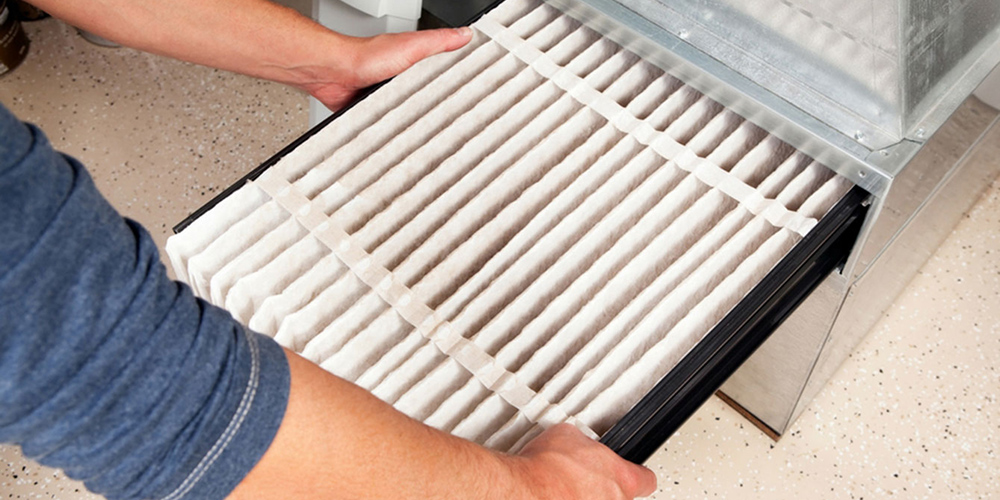
| Filter Cleaning | Regular cleaning of air filters | High |
| Refrigerant Check | Checking the refrigerant level | Medium |
| Condenser Maintenance | Cleaning and checking the condenser | Medium |
| Electrical Connections | Checking electrical connections | High |
An air conditioner maintenance process consists of several stages. Each stage is critical to ensure the efficient operation of the air conditioner. Air conditioner maintenance stages are not optional; the following steps should be strictly followed:
- Regularly clean the filters.
- Check the refrigerant level.
- Clean the condenser.
- Check electrical connections.
- Inspect the air flow system.
- Clean the outdoor unit in preparation for maintenance.
These steps ensure your air conditioner lasts longer and increases energy efficiency. The importance of maintenance enhances personal comfort and ensures energy savings. Regular maintenance contributes to efficient operation and reduces long-term costs.
Benefits of Using an Air Conditioner
What is an Air Conditioner? holds an important place in many people’s lives. Besides providing coolness during hot summer days, air conditioners offer many other benefits. Proper use of air conditioners is crucial to maximize these advantages.
An air conditioner not only cools the air indoors but also controls humidity levels. This is particularly helpful in hot and humid conditions. Other benefits of using an air conditioner include improved energy efficiency and enhanced air quality.
| Benefit | Description | Result |
|---|---|---|
| Air Quality | The filtration system cleans the air. | Healthier living spaces. |
| Humidity Control | Reduces humidity, increases comfort. | Creates a comfortable environment. |
| Energy Savings | Advanced models provide energy efficiency. | Lower energy consumption. |
| Temperature Balance | Balances the room temperature. | Creates comfortable living spaces. |
Benefits Gained: Using an air conditioner has numerous advantages. These benefits make daily life easier and protect your health. Thanks to the various advantages provided by air conditioners, you can find comfort and peace in your home or workplace. Some key benefits include:
- Maintains a cool environment by controlling temperature.
- Improves air quality.
- Balances humidity levels.
- Reduces stress, offering a better quality of life.
- Regulates air flow, increasing comfort levels.
- Advanced models save energy.
Answering the question what is an air conditioner shows that the benefits of air conditioners are crucial for both comfort and health. By considering these advantages, you can make your living spaces more comfortable and healthier.