Su soğutma kulesi, endüstriyel tesislerde ve enerji santrallerinde sıcak suyu soğutmak için kullanılan önemli bir sistemdir. Bu blog yazısında, su soğutma kulesinin ne olduğu ve önemi, çeşitli türleri ile işleyişi detaylandırılmaktadır. Ayrıca, su soğutma kulelerinin kullanım alanları, avantajları ve dezavantajları da ele alınmaktadır. Su soğutma sistemlerinin verimliliği ve maliyet etkinliği gibi avantajlarının yanı sıra, bakım ihtiyaçları gibi olumsuz yanlarına da dikkat çekilmektedir. Yazının sonunda, en iyi uygulamalar ile su soğutma kulelerinin daha etkin bir şekilde kullanılmasına yönelik ipuçları sunulmaktadır. Su soğutma, endüstriyel süreçlerde kritik bir rol oynamakta ve bu sistemlerin doğru kullanımı, enerji tasarrufu açısından büyük önem taşımaktadır.
What is a Cooling Tower and Its Importance
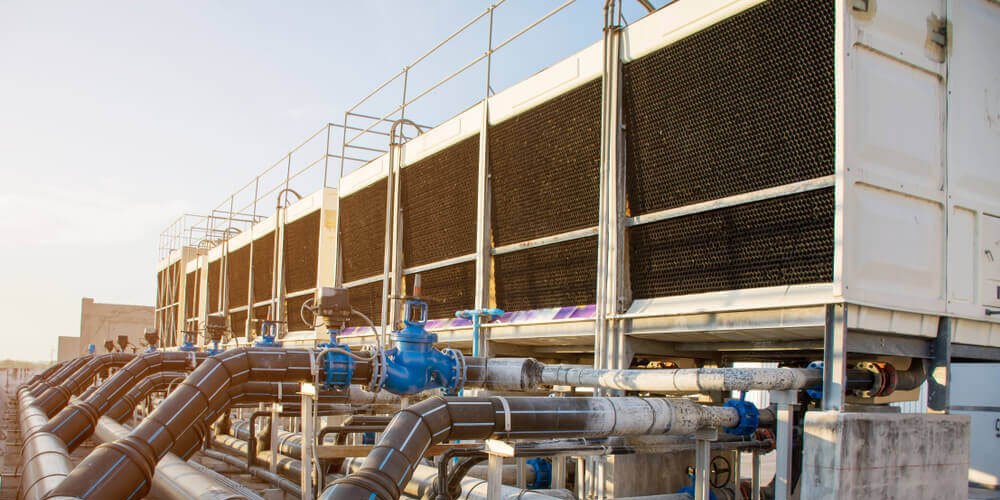
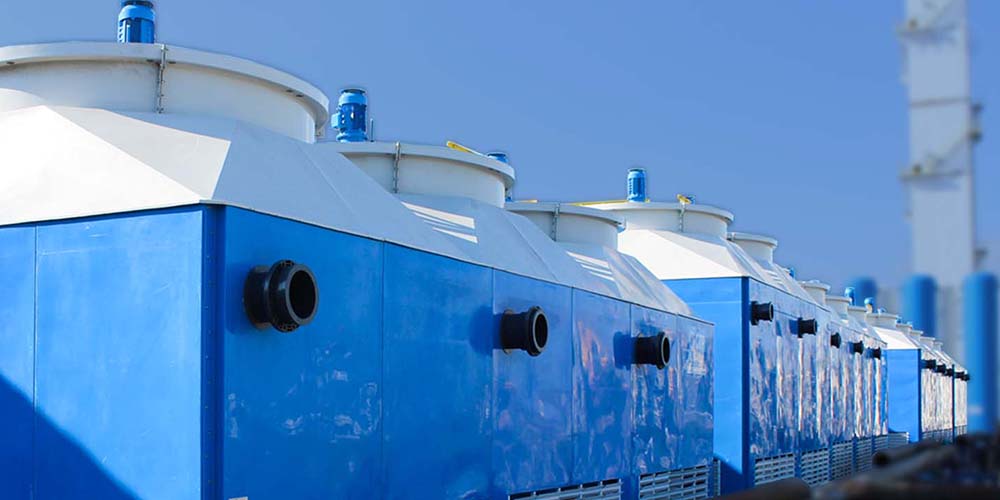
Cooling towers play a critical role in heat reduction and cooling processes in industrial facilities and large buildings. These towers dissipate heat from the system by allowing water to evaporate, thereby improving equipment efficiency. Heat management helps save energy across various sectors and reduces environmental impact.
Moreover, cooling towers are essential for optimizing the performance of industrial processes and HVAC (Heating, Ventilation, and Air Conditioning) systems. They provide a solution that both saves costs and increases energy efficiency, reducing long-term operating expenses. Thanks to these features, they are widely used across many different industrial areas.
| Feature | Advantages | Application Areas |
|---|---|---|
| Energy Efficiency | Lower energy costs | Industrial facilities |
| Long Lifespan | Reduced maintenance costs | Large buildings |
| Environmental Impact | Lower water consumption | Thermal power plants |
| Modular Design | Easy integration | Efficiency improvement projects |
Cooling towers offer numerous benefits. They enhance facility efficiency, reduce costs, and promote environmental sustainability.
Benefits of Cooling Towers
- Provides effective heat management.
- Offers energy savings.
- Demonstrates long-term durability.
- Creates an environmentally friendly option.
- Reduces maintenance costs.
- Facilitates integration with large systems.
- Adapts to different industrial needs.
Cooling towers have become indispensable technology today due to their cost-effectiveness and energy efficiency. Their effective use significantly contributes to businesses staying competitive.
Types and Operation of Cooling Towers
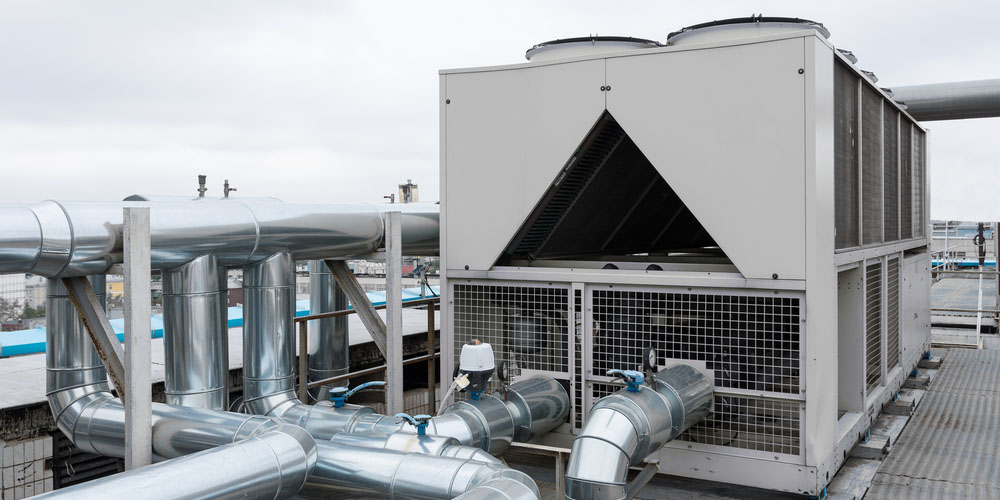
Cooling towers play an important role in heat exchange in industrial and commercial facilities. These systems increase operational efficiency while enabling energy savings. Cooling towers can respond to different applications through their various types, each with distinct operating principles.
Cooling towers are generally categorized into two main types: natural draft towers and mechanical draft towers. Each type has its unique advantages and operational methods. This diversity helps facilities find the most suitable solution based on their needs.
| Tower Type | Advantages | Disadvantages |
|---|---|---|
| Natural Draft Towers | Low energy consumption | Airflow cannot be controlled |
| Mechanical Draft Towers | Good airflow control | Higher energy consumption |
| Hybrid Towers | Advantages of both systems | High cost |
The general operation of cooling towers varies depending on the tower design and the cooling method used. The following list explains how these towers work:
General Operation of Cooling Towers
- Heat is sent from the cooling system to the tower.
- Water is distributed inside the tower.
- Cold air is drawn in by fans inside the tower.
- Air interacts with the water surface, transferring heat.
- Hot water is expelled through natural or mechanical processes.
- Cooled water returns to the system.
- The system operates in a continuous cycle.
Natural draft towers are notable for their low energy consumption. These towers use natural airflow for cooling, requiring fewer mechanical parts and reducing maintenance costs.
Natural Draft Towers
Natural draft towers are fully passive cooling systems. Outdoor air, combined with water evaporation, removes heat from the tower. These towers provide high efficiency in open areas and are extremely advantageous in terms of energy savings.
Mechanical Draft Towers
Mechanical draft towers are active systems that use fans and motors to increase airflow. They are usually preferred in large facilities because they offer control over air movement. However, they can result in higher energy costs.
Applications of Cooling Towers
Cooling towers play a critical role in various industrial and commercial applications. They effectively use the cooling process to enhance system efficiency. They are frequently used in power plants, HVAC systems, and industrial machinery. The widespread use of cooling towers is due to their energy-saving and environmentally friendly advantages.
Today, cooling towers are commonly used in various areas. One of the most notable examples is the HVAC systems of large buildings. These buildings deploy large cooling towers to meet cooling demands. Additionally, cooling towers are intensively used in industrial processes, such as textile, food processing, and chemical industries, to control material temperatures.
| Application Area | Description | Example Application |
|---|---|---|
| HVAC | Used for cooling large buildings. | Office buildings |
| Power Generation | Used to cool hot water in thermal plants. | Gas turbines |
| Industrial Processes | Preferred for machines requiring cooling. | Chemical factories |
| Water Treatment | Used in certain water purification plants. | Wastewater treatment |
Cooling towers’ applications include significant factors like energy saving and cost-effectiveness. Moreover, they greatly contribute to environmental sustainability. These systems support the natural water cycle and help use water resources efficiently. In this context, the features and benefits of cooling towers are highly important.
Cooling Tower Applications:
- Cooling in HVAC systems
- Energy generation in thermal power plants
- Textile and food processing industries
- Cosmetic and chemical production facilities
- Wastewater treatment systems
- Industrial water system management
- Pools and water amusement parks
Cooling towers play a critical role in meeting energy and cooling needs across various sectors. Thanks to technological and material advancements, these towers continuously evolve and integrate with modern applications, increasing industrial efficiency while minimizing environmental impact.
Advantages and Disadvantages of Cooling Systems
Cooling systems are widely used in industrial facilities and commercial buildings. They offer many benefits in meeting cooling needs but also have some drawbacks. Considering these pros and cons is crucial when selecting a system.
One of the most common uses is utilizing water in cooling towers. Water is preferred as an effective cooling medium due to its natural availability and high heat capacity. Various control mechanisms can also be employed to enhance system efficiency.
Basic Information About Cooling Systems
| System Type | Efficiency | Application Areas |
|---|---|---|
| Closed Water Cooling System | High | Industrial Facilities |
| Open Water Cooling System | Medium | Power Plants |
| Natural Water Cooling System | Low | Agriculture and Irrigation |
Cooling systems are commonly used in power generation facilities and large data centers. They are preferred to increase energy efficiency and reduce operating costs. However, water resource sustainability and climatic conditions must also be considered.
Advantages of Cooling Systems
- Provides high efficiency.
- High heat transfer capacity.
- Enables energy savings.
- Offers low operating costs.
- Environmentally friendly option.
- Various control systems can be integrated for optimal performance.
The effectiveness of cooling systems is directly related to the materials used and their design. Proper design increases efficiency and ensures longevity.
Advantages and Disadvantages
In addition to advantages, cooling systems also have disadvantages that can affect usability and costs. In areas with limited water resources, using these systems may be challenging. Furthermore, system maintenance and operation require a certain level of expertise.
Best Practices for Cooling Towers
Cooling towers are critical for removing heat in industrial processes and increasing equipment efficiency. However, certain best practices must be followed for optimal operation. Proper methods can reduce energy consumption and improve overall operational efficiency. Therefore, these practices should be considered for both new and existing systems.
Smooth operation of cooling systems is necessary for energy efficiency and long-lasting performance. Regular maintenance and appropriate operating conditions ensure optimal performance. Water quality and environmental factors also affect tower efficiency, so monitoring water conditions and operational environment is important.
| Practice | Description | Benefit |
|---|---|---|
| Regular Maintenance | Inspection and cleaning of tower components | Improved performance and reduced failures |
| Water Quality Monitoring | Monitoring water hardness and sediment levels | Prevention of structural damage |
| Equipment Upgrades | Use of efficient equipment | Energy savings and performance improvement |
| Heat Exchangers | Use of modern heat exchangers | Increased efficiency and energy savings |
One of the best practices for cooling towers is regular maintenance to ensure proper system operation. Maintenance includes not only inspecting parts but also cleaning. Dirt and sediment can negatively affect the cooling process. Continuity plans should also be developed to prevent equipment wear and potential failures.
Recommendations for Cooling Towers:
- Establish regular maintenance schedules.
- Continuously monitor and analyze water quality.
- Use modern devices for energy efficiency.
- Track and analyze operational data.
- Include personnel in training programs.
- Take precautions against environmental factors.
Additionally, working with experts to optimize your system can be beneficial. This will help improve not only daily operations but also long-term strategies. Cooling tower efficiency directly impacts the sustainability of industrial processes.