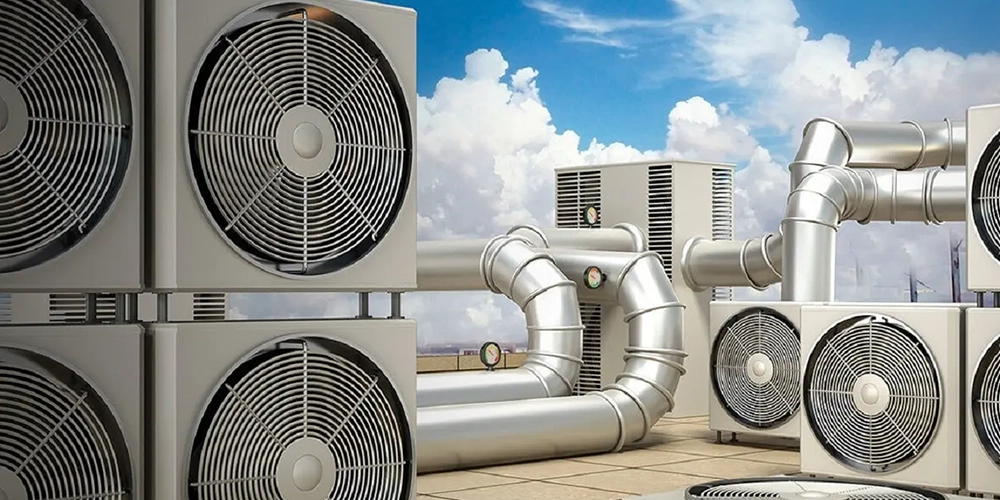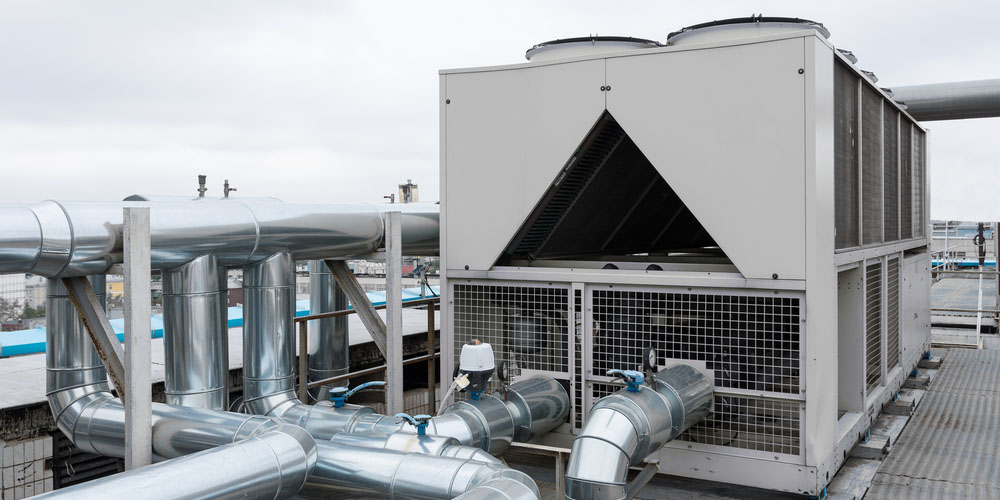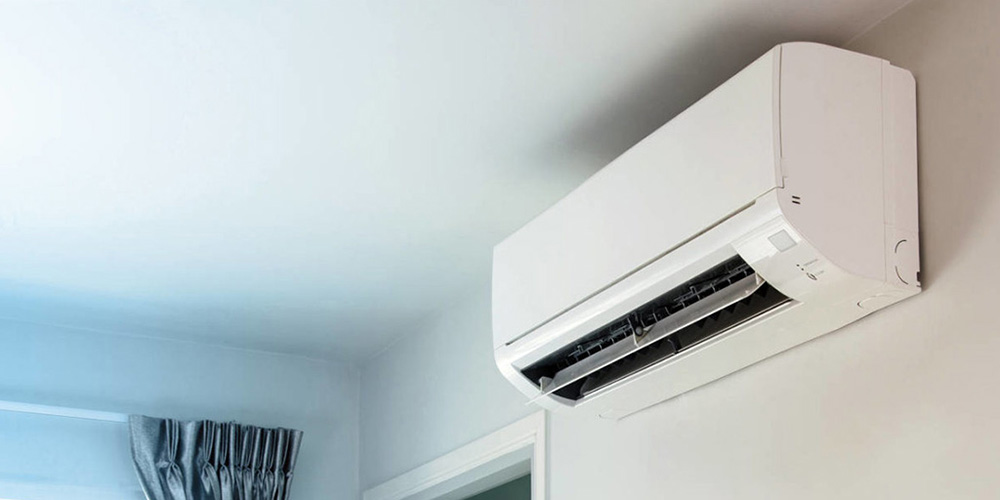
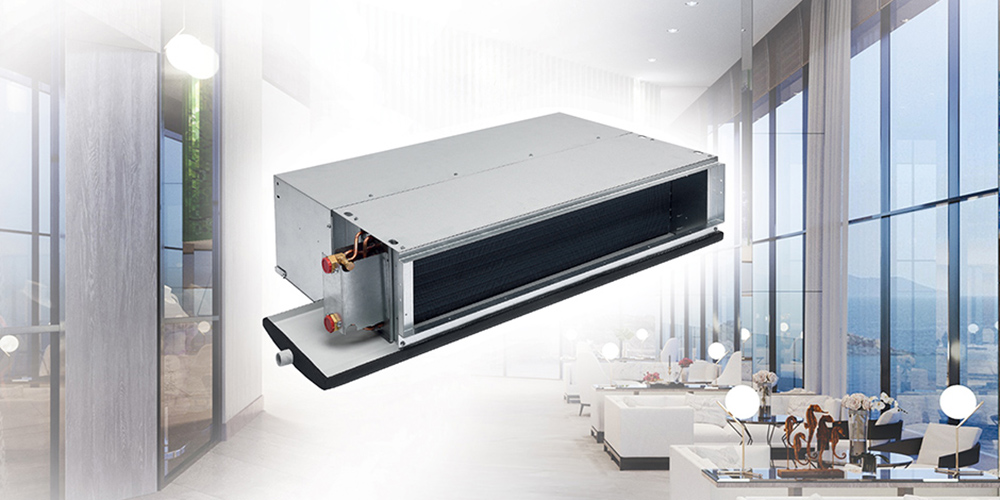
Fancoil is a crucial component of HVAC (Heating, Ventilation, and Air Conditioning) systems. A fancoil unit uses a combination of water and air to provide heating or cooling. Its operating principle involves air passing over coils heated or cooled by water. Types of fancoil units include floor-mounted, ceiling-mounted, and wall-mounted models, each offering specific advantages for different needs. Main applications include hotels, offices, and industrial facilities. The benefits of installing a fancoil unit include energy efficiency, comfort, and easy integration into existing systems. Thus, the use of fancoil units has become a preferred solution in modern projects.
Fancoil: Basic Information
What is a Fancoil? is a commonly asked question in heating and cooling systems. A fancoil is a device that transfers heat using air and typically operates connected to a central heating or cooling system. These units are used to regulate the temperature of a space and play a key role in air conditioning systems. Fancoils are generally designed to increase indoor comfort.
| Fancoil Feature | Description | Application Areas |
|---|---|---|
| Heating | Heats air using hot water. | Offices, hotels, residences |
| Cooling | Cools air using a refrigerant. | Shopping malls, hospitals |
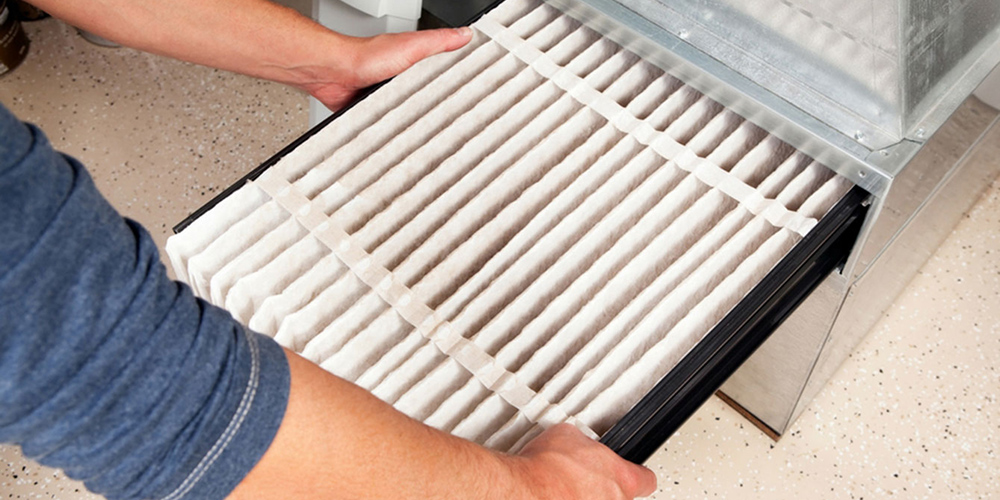
| Filtration | Includes a filtration system to clean the air. | Indoor spaces, areas requiring high air quality |
| Low Energy Consumption | Operates efficiently, reducing costs. | All types of commercial and residential areas |
Fancoil systems can generally be installed on the floor, wall, or ceiling. This installation flexibility allows customization according to each space’s needs. Additionally, fancoils come in various sizes and capacities for different areas. Modern fancoil systems are equipped with advanced technologies, providing quieter and more effective heating and cooling.
Key Facts About Fancoils:
- Fancoils can perform both heating and cooling functions.
- Energy efficiency is one of the main advantages of fancoil systems.
- Provides easy installation and maintenance.
- Works at different airflow speeds to enhance comfort.
- Can adapt to various application areas.
- Improves indoor air quality with filtration features.
What is a Fancoil? reveals the details of a complex system. These devices, which increase user comfort and reduce energy consumption, are indispensable in modern buildings. Fancoil systems are notable for both functionality and user-friendliness.
Fancoil Operating Principle and Advantages
Fancoil systems are key devices offering effective solutions for indoor temperature control. These systems operate by passing air over water-heated or water-cooled coils. What is a Fancoil? In short, a fancoil is a system containing a fan and a heated or cooled coil unit. These devices provide both comfort and energy efficiency.
Fancoil Operating Principle explains how the system works; fancoil units contain pipes with hot or cold water. Air is passed over these pipes by the fan, achieving the desired indoor temperature. For better understanding, see the table below:
| Feature | Description | Advantage |
|---|---|---|
| Heating | Air is heated by hot water | Provides a comfortable indoor temperature |
| Cooling | Air is cooled by cold water | Maintains desired low temperatures |
| Fan Speed | Multiple speed settings | Control over airflow |
| Air Filtration | Removes pollutants from the air | Improves indoor air quality |
Advantages of these systems include flexible installation and energy efficiency, making them effective in many environments. Fancoil advantages include low maintenance costs, long lifespan, and versatile applications.
Fancoil Methods
- Direct water heating or cooling
- Air mixing method
- Cyclic operation of the device
- Automatic control system
- Energy-saving systems
- Dual temperature management
- Smart control systems
Answering what a fancoil is and highlighting its operating principles and advantages demonstrates why fancoils are preferred among heating and cooling options. Fancoils hold an important place today due to both efficiency and sustainability.
Fancoil Types and Differences
What is a Fancoil? Fancoils are effective heating and cooling systems used to regulate indoor air temperature. They are especially preferred for the comfort they provide indoors. Fancoils stand out for their low energy consumption and efficient operation. Different types of fancoils are designed to serve various installations and applications, providing flexibility according to user needs.
There are various fancoil types today, depending on installation location and purpose. For example, different mounting options are available depending on room size or aesthetic considerations, offering significant advantages for users.
Fancoil Types and Features
| Fancoil Type | Installation Location | Features |
|---|---|---|
| Ceiling Type | Ceiling | High efficiency, space saving |
| Wall-mounted | Wall | Aesthetic appearance, easy access |
| Floor Type | Floor | Strong heating, ideal for large areas |
Fancoil Type Features
- High energy efficiency
- Minimal installation and maintenance costs
- Available in different capacities
- Can include air filtration systems
- Easy management with smart control systems
- Variety of aesthetics and sizes
Each fancoil type has its own pros and cons. Users should consider room size, aesthetics, and energy efficiency when choosing between types.
Ceiling Fancoil
Ceiling fancoils provide heating and cooling and are typically installed recessed into the ceiling. Their main advantage is saving space and offering a cleaner aesthetic.
Wall-mounted Fancoil
Wall-mounted fancoils are easy to install and occupy minimal space. They can be designed to match room aesthetics, providing both functionality and style.
Floor Fancoil
Floor fancoils are generally used in large areas and offer strong heating performance. Their main downside is occupying floor space and potentially affecting aesthetics, but they deliver robust comfort.
Fancoil Applications
What is a fancoil? Fancoil is used to meet indoor climate needs by combining air and water for heating and cooling. Typically connected to a central heating or cooling system, fancoils can be used in various spaces, making their application versatile.
Common applications include office buildings, hotels, hospitals, and shopping centers. Fancoil systems are chosen to enhance energy efficiency and user comfort. They are especially effective for large areas, providing precise temperature and humidity control.
| Application Area | Description | Advantages |
|---|---|---|
| Office Building | Provides comfort in the working environment. | Energy saving and quiet operation. |
| Hotel | Enhances guest comfort with climate control. | Flexible temperature settings and energy efficiency. |
| Hospital | Creates an ideal temperature environment for patients. | Provides ventilated and hygienic spaces. |
| Shopping Center | Adjusts climate control for high visitor traffic. | Cools or heats large areas without discomfort. |
Fancoil Application Areas
- Office buildings
- Hotel rooms
- Hospital rooms
- Shopping centers
- Conference and event halls
- Swimming pools and gyms
Thanks to the advantages they provide, fancoils are preferred in these areas. They are designed to operate reliably, offering comfort, energy savings, and low maintenance costs. What is a fancoil? shows that it is not just a climate device but a system that enhances everyday comfort across sectors.
Benefits and Results of Fancoil Installation
What is a Fancoil? units are used to control temperature and ventilation. They provide important advantages in terms of both climate control and energy savings. Installing a fancoil system is critical for achieving a comfortable environment and reducing energy costs. It is essential to evaluate the benefits and outcomes of fancoil installation.
Benefits of installing fancoil systems include precise temperature control, creating comfortable living or working spaces. They allow independent climate control for specific areas, increasing energy efficiency. Additionally, fancoil units offer long-term use, minimizing maintenance and repair costs.
| Benefits | Description | Results |
|---|---|---|
| Energy Efficiency | Provides advanced energy savings. | Reduced energy costs |
| Air Quality | Ensures proper ventilation. | Healthier living environments |
| Productivity | Creates a comfortable working environment. | Increased work efficiency |
| Longevity | Low maintenance requirements | Long-lasting use |
Fancoil installation involves several stages, which are critical for project success. Key considerations include selecting the right equipment and working with an expert team. Fancoil installation and usage steps include:
Fancoil Installation or Usage Steps
- Analyze project area
- Select appropriate equipment
- Create installation plan
- Perform installation with expert team
- Test the system
- Train users on system operation
- Plan periodic maintenance
Fancoil installation provides many benefits, from energy efficiency to user comfort. A properly installed fancoil system can reduce energy costs and improve quality of life. Today, fancoils are widely used in residential and commercial areas, offering significant advantages to users.