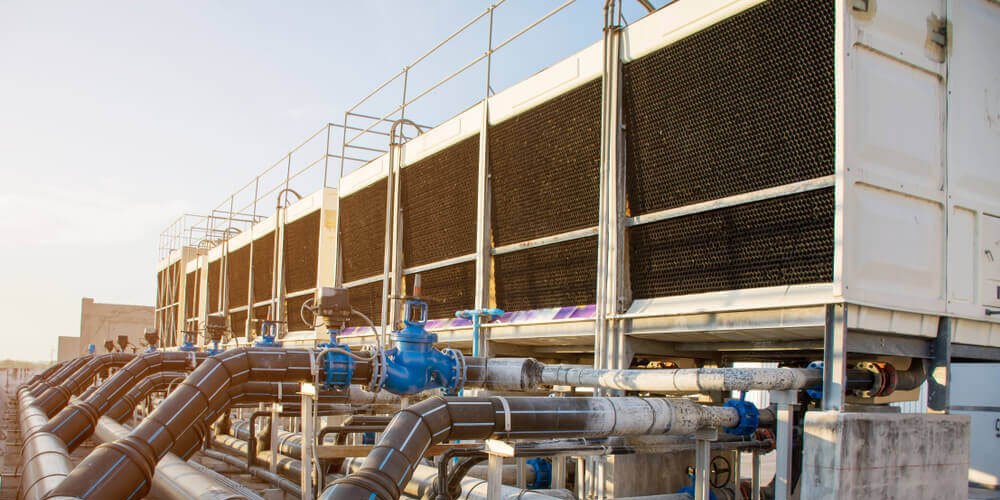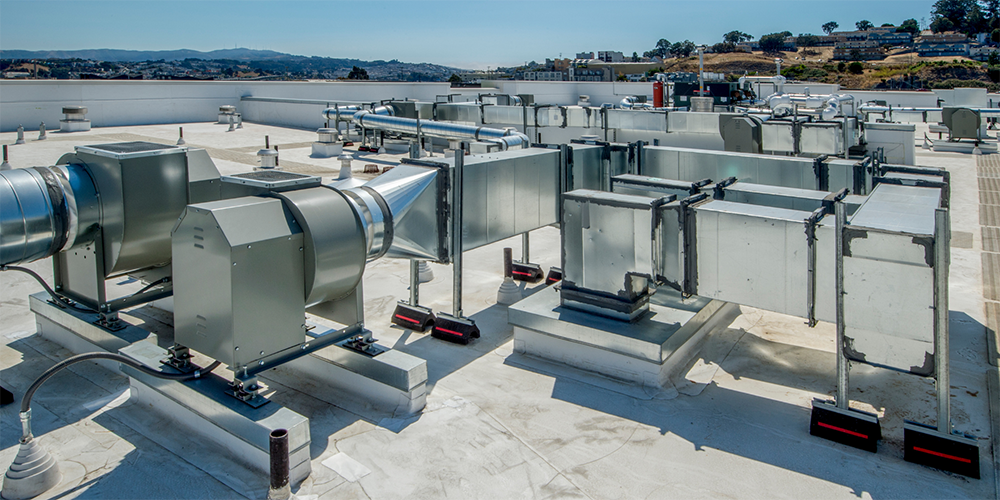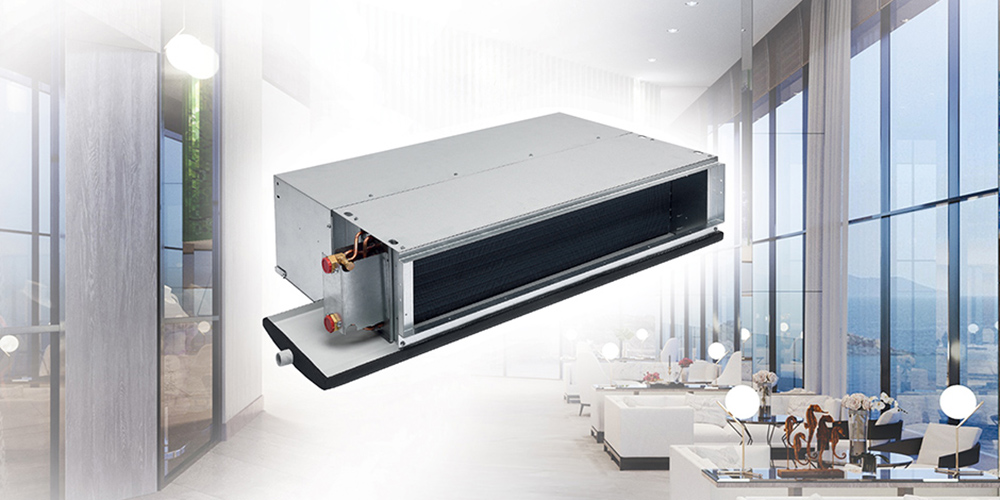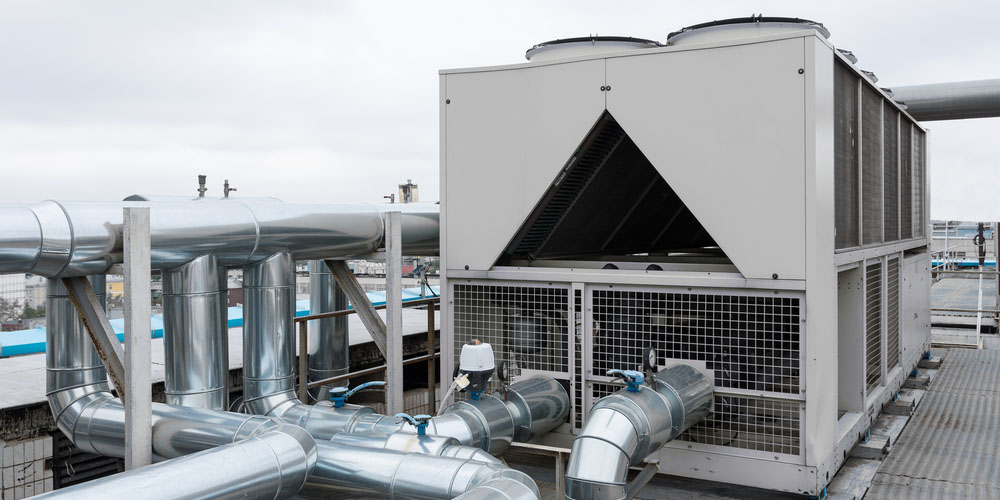
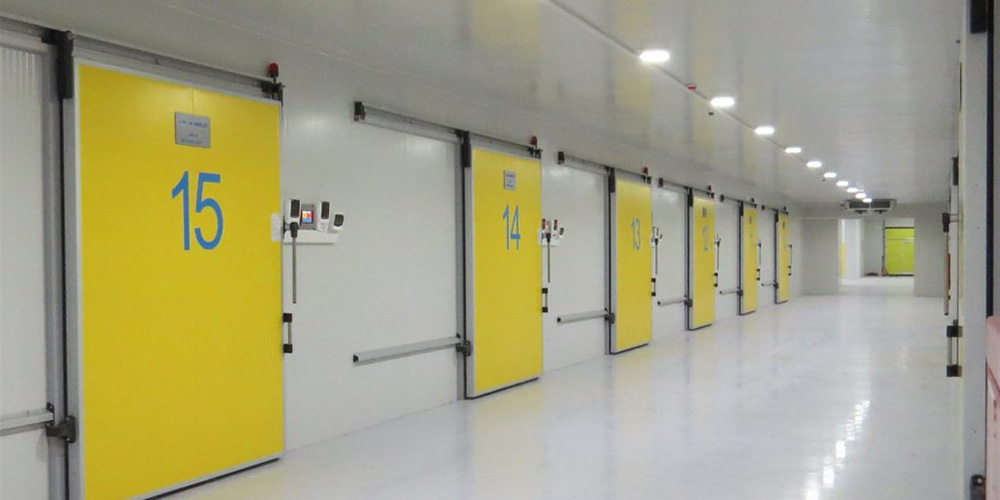
Cold storage is a storage area that can be kept at low temperatures to keep products fresh for a long time. Understanding the basics of cold storage is essential to grasp how this system works. Advantages of cold storage include reducing product loss and maintaining freshness, while disadvantages include high energy costs and maintenance requirements. Factors to consider in cold storage design range from the size of the storage area to the quality of insulation. The operating principles are based on maintaining temperature control and humidity balance. Tips for effective cold storage should be considered to increase the efficiency of these storage systems.
Understanding the Basics of Cold Storage
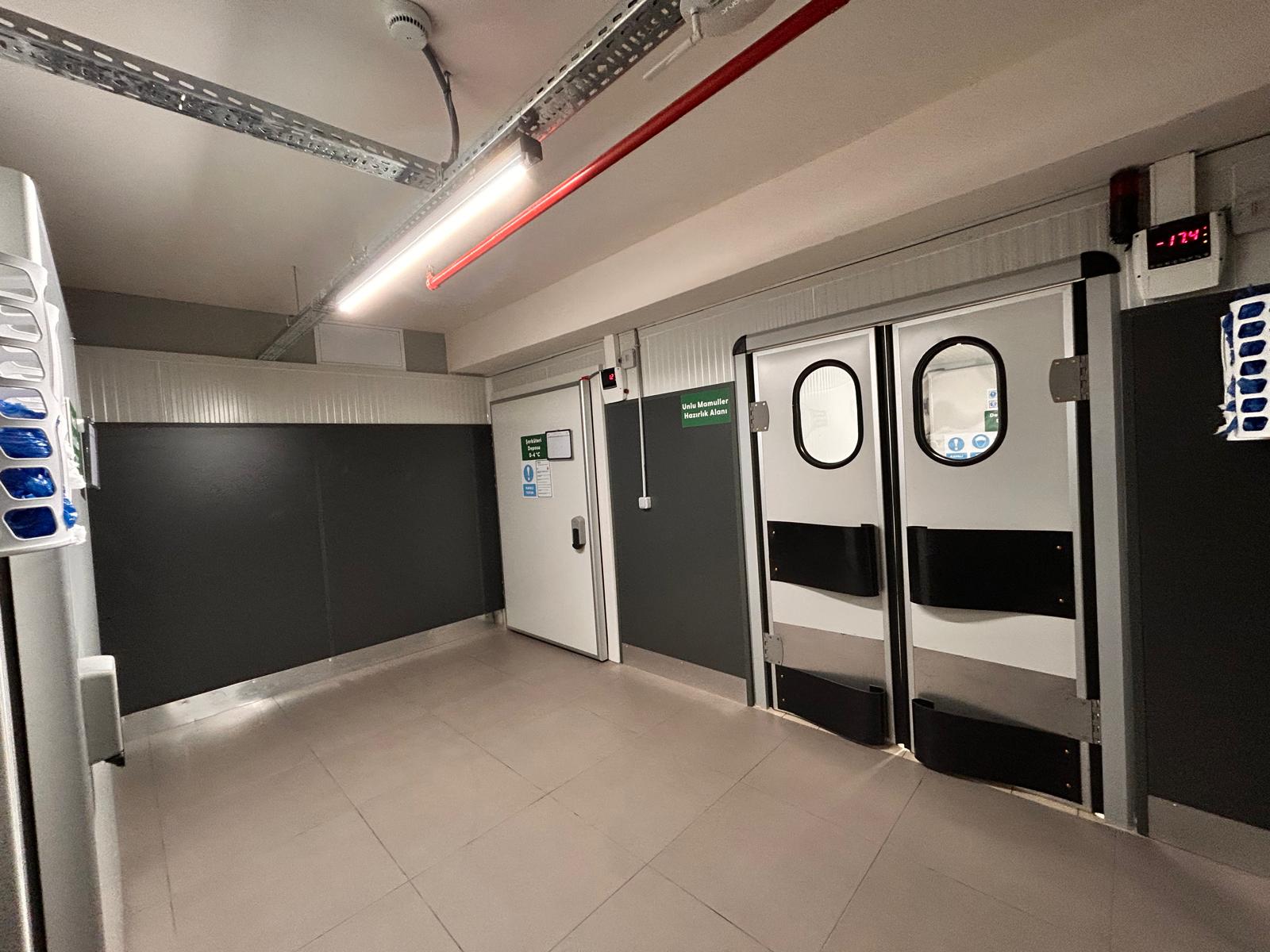
Cold storage facilities are specially designed structures to keep food and other products fresh for a long time. These storages prevent the spoilage of various products by maintaining specific temperature ranges. These structures, used to increase the efficiency of businesses, play an important role in modern logistics and supply chain management. With advancing technology, cold storage systems are constantly being renewed.
The basic operation of a cold storage facility is based on controlling the internal temperature. This control is achieved through air circulation and insulation quality inside the structure. Therefore, such storages are critical for ensuring food safety in businesses. Especially in the agriculture and food sector, it is necessary to improve their effectiveness in maintaining post-harvest freshness of products.
| Feature | Description | Importance Level |
|---|---|---|
| Temperature Control | Continuous monitoring of indoor temperature | Product quality |
| Insulation Material | High-quality insulation for energy efficiency | Energy saving |
| Air Circulation | Ensuring adequate airflow | Spoilage prevention |
| Security Systems | Measures against fire, water, and theft | Risk reduction |
Key Characteristics of Cold Storage are:
- High-quality insulation materials
- Advanced systems capable of controlling temperature
- Design elements to increase energy efficiency
- Safe product storage areas
- Powerful air circulation systems
- Monitoring and control technologies
The effective operation of cold storage facilities is of great importance both for the economic efficiency of businesses and consumer satisfaction. With the right design and technology, these storages ensure products are kept without spoiling, thus raising food safety standards.
Advantages and Disadvantages of Cold Storage
Cold storage facilities are a critical infrastructure that allows long-term storage of food and other sensitive products. These storages play an important role in various sectors by maintaining controlled temperature and preserving product quality. However, like every system, cold storage facilities have certain advantages and disadvantages. In this article, we will examine these pros and cons.
At the same time, cold storage facilities’ aspects such as operating costs and energy consumption must also be carefully considered. Especially in the food sector, temperature control is vital for product safety and freshness. Therefore, the installation and operation processes of cold storage facilities must be well planned. Having knowledge in this area provides an important advantage for business owners.
Main Features of Cold Storage
| Feature | Description | Importance Level |
|---|---|---|
| Temperature Control | Continuous monitoring and controlling of temperature levels | High |
| Energy Efficiency | Minimizing downtime and energy consumption | Medium |
| Security Systems | Measures that increase traceability and prevent theft | High |
| Coating and Insulation | Quality and performance of insulation materials | Medium |
One of the factors to consider in the design of cold storage facilities is storage capacity. The right capacity selection should be determined according to the product range and demand, thus saving space and minimizing product loss. Regular maintenance of storages increases efficiency and reduces operating costs.
Advantages
One of the biggest advantages of cold storage facilities is that they keep products fresh for longer. This is a critical factor in maintaining quality, especially in the food sector. Here are the main advantages of cold storage:
- Extends product shelf life
- Increases food safety
- Minimizes product loss through controlled temperature
- Allows seasonal products to be stored year-round
- Can be equipped with modern systems that save energy
Disadvantages
Although cold storage facilities offer many advantages, they also have some disadvantages. Especially initial costs and energy consumption are important factors to consider in storage processes. These disadvantages should be considered when making investment decisions.
Apparently, the high energy requirements and maintenance costs of cold storage facilities require careful financial planning.
Factors to Consider in Cold Storage Design
Cold storage facilities are particularly important in the food and pharmaceutical industries. There are many factors to consider during the design process of these storages. A good design not only preserves the quality of products but also increases energy efficiency. In addition, cold storage systems working correctly are critical to maintain temperature balance inside the storage.
During the design stage, physical features such as size and location of the area as well as the selection of equipment to be used are of great importance. Equipment will affect the efficiency of the cooling system. Therefore, appropriate equipment should be selected according to the needs. The thermal insulation properties of the materials used in the structure of the storage should also be considered.
| Measure | Description | Importance |
|---|---|---|
| Insulation | Use high-quality insulation materials | High |
| Ventilation | Ensure air circulation with proper ventilation systems | Medium |
| Equipment | Select advanced cooling equipment | High |
| Monitoring | Integrate temperature and humidity monitoring systems | Medium |
Another factor to consider in the design of cold storage facilities is the product flow within the storage. Entry and exit routes of products should be planned consciously; thus, airflow and temperature balance are always maintained. In addition, the layout of shelving systems inside the storage should be carefully designed for product accessibility.
Steps for Cold Storage Design
- Conduct a needs analysis and determine storage capacity.
- Choose appropriate location and area.
- Select high-quality materials for thermal insulation.
- Choose advanced cooling equipment.
- Install ventilation systems.
- Optimize product flow.
- Integrate monitoring systems.
Considering all these factors, both an effective storage area is created and energy consumption is minimized. In addition, cold storage facilities operated sustainably significantly reduce operating costs.
Operating Principles of Cold Storage
Cold storage facilities play a critical role in storing food, pharmaceuticals, and other sensitive products. These storage systems are specifically designed to extend product shelf life and minimize quality loss. Operating principles are directly related to cooling technologies and energy efficiency.
The operation of cold storage facilities is based on many technological components and a systematic structure. Therefore, some basic principles must be considered for storages to work effectively. Especially temperature control and air circulation are critical for maintaining product freshness.
Main Components of Cold Storage
| Component | Description | Importance |
|---|---|---|
| Cooling System | Devices that keep the temperature at the desired level. | Prevents product spoilage. |
| Insulation Materials | Structures that reduce cold air loss. | Saves energy. |
| Control Systems | Systems that monitor temperature and humidity levels. | Provides a reliable environment. |
| Air Circulation | Evenly cooling products everywhere. | Improves product quality. |
Basic Operating Principles of Cold Storage are:
- Temperature control
- Humidity adjustment
- Ensuring air circulation
- Effective use of insulation
- Regular maintenance and control systems
- Efficient energy use
These basic principles play a critical role in ensuring the efficient operation of cold storage facilities. With advancing technology, it is becoming possible to further optimize these systems. However, energy efficiency and maintenance requirements must not be neglected. At this stage, with the right strategies and practices, businesses can achieve a sustainable storage solution by reducing their costs.
Cooling Technologies
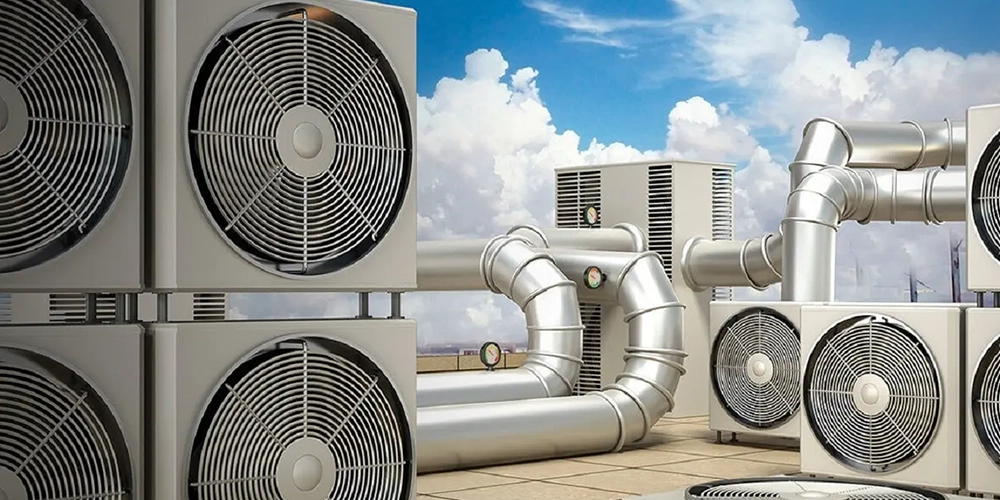
Cooling technologies are the core components of cold storage facilities. These technologies ensure that products are stored at the correct temperature, thus increasing food safety and affecting operating costs. Modern cold storage facilities generally use compressors, condensers, and evaporators, and each component must be properly integrated.
Energy Efficiency
The energy consumption of cold storage facilities has a significant impact on the overall costs of businesses. To increase energy efficiency, it is essential to use energy-saving technologies in storage systems and perform regular maintenance. At this point, innovative solutions such as LED lighting and high-efficiency cooling systems come into play in cold storage facilities.
Maintenance Requirements
Regular maintenance is essential for storage systems to function smoothly. Maintenance procedures increase the efficiency of cooling systems and prevent possible malfunctions. When a proper maintenance procedure is implemented, both the products and the quality of the environment inside the storage are secured. Therefore, businesses must not neglect maintenance requirements.
Conclusion: Tips for Effective Cold Storage
Creating a cold storage facility is possible not only by selecting the right equipment but also by an efficient design and implementation process. A good cold storage facility should maintain the freshness and quality of stored products while minimizing operating costs. To achieve this, you should carefully plan your systems and find the solution that best suits your business requirements.
| Feature | Description | Importance Level |
|---|---|---|
| Thermal Insulation | High-quality insulation materials should be used. | High |
| Climate Control | Humidity and temperature levels should be constantly monitored. | Medium |
| Layout Plan | An effective layout should be made for easy access to products. | High |
| Energy Efficiency | Energy-saving systems should be preferred. | Medium |
Another important point for an effective cold storage facility is to carry out regular maintenance and inspections. Regular checking of equipment helps prevent failures and keeps the system consistently efficient. In addition, providing adequate training to employees is also critical for ensuring safety standards.
Recommendations for Creating an Effective Cold Storage Facility
- Use high-quality insulation material.
- Install climate control devices in compliance with standards.
- Optimize product placement inside the storage.
- Pay attention to energy efficiency; choose energy-saving equipment.
- Create and implement a periodic maintenance program.
- Provide regular training for your staff.
- Keep safety standards constantly updated.
The most important aspect of creating an effective cold storage facility is to design a system that suits the needs of the business. Every decision made in this process will directly affect storage efficiency and product quality. Remember, success comes with planning and sustainable implementation.