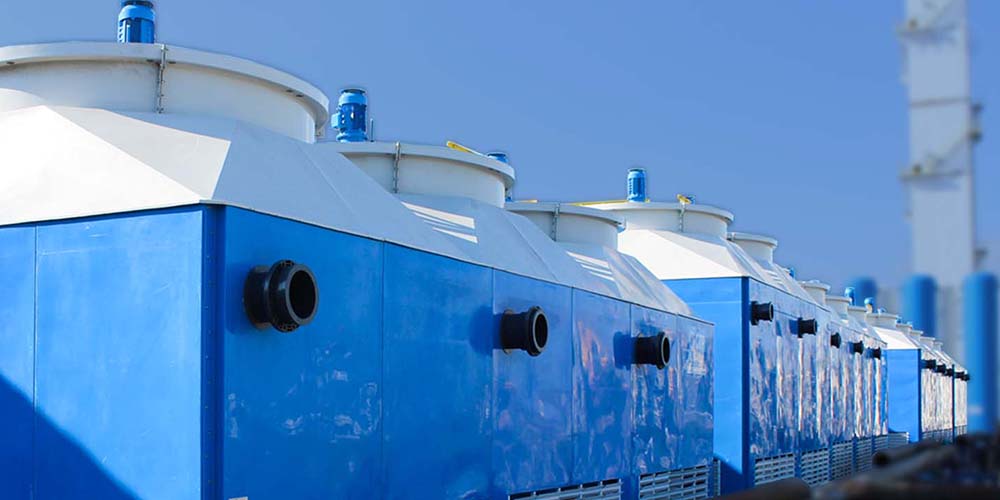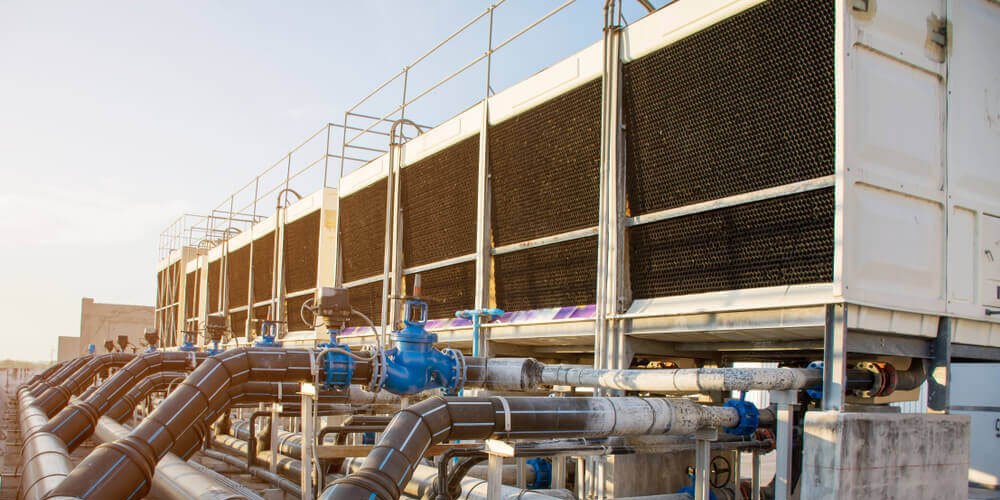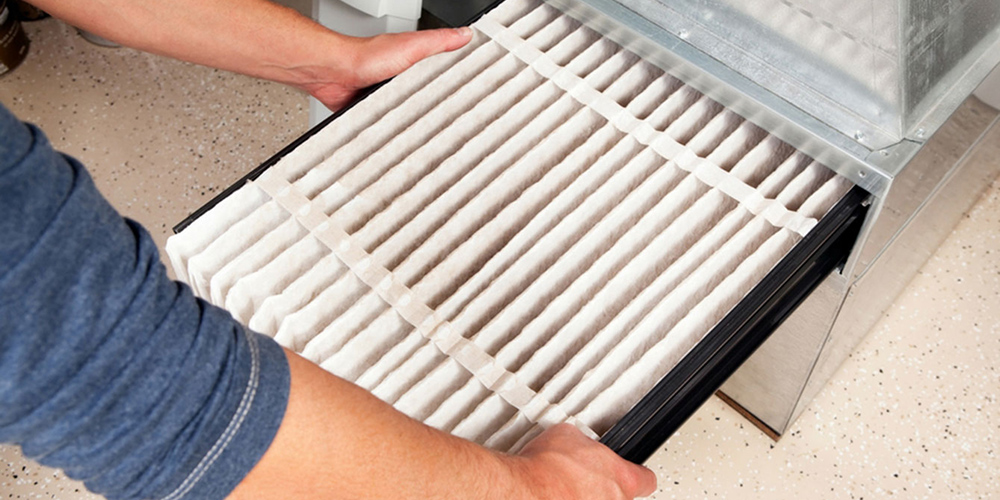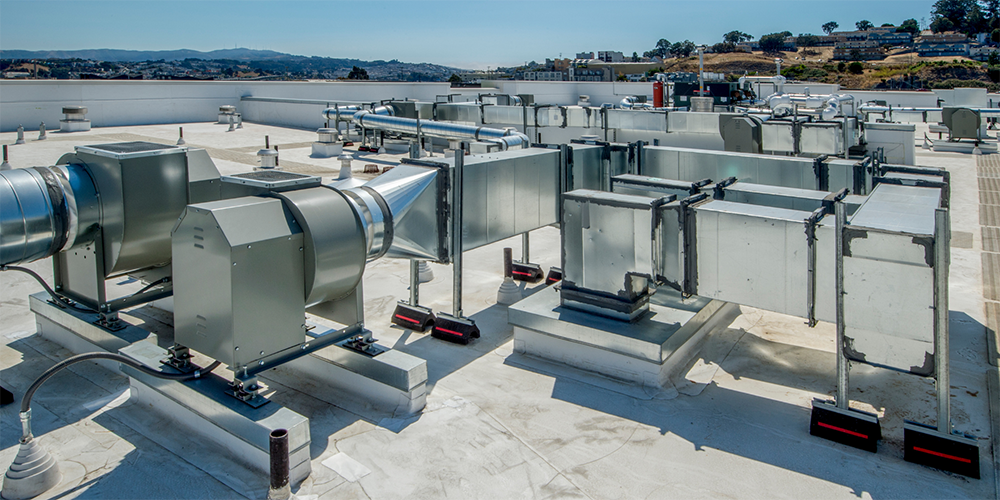
Chiller is a blog post that provides basic information about chiller systems. It details the operating principle of a chiller system, how it performs the cooling process, and energy efficiency. The article also examines the advantages and disadvantages of chiller systems and explains in which situations they should be preferred. Important factors to consider when selecting a chiller and tips for successful operation are also shared. This information will be useful for those who want to make an informed choice about chiller systems. By answering the question “What is a chiller?”, it helps users better understand these systems.
What is a Chiller? Basic Information and Definitions
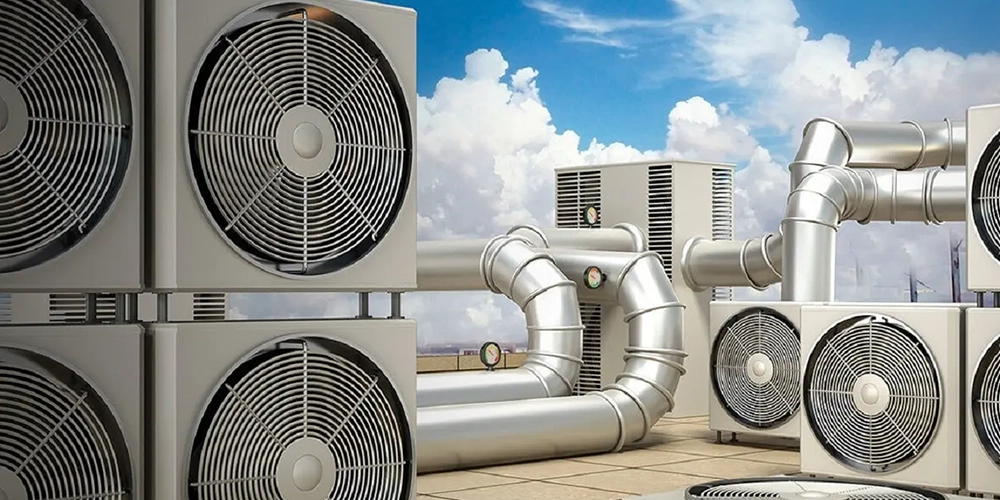
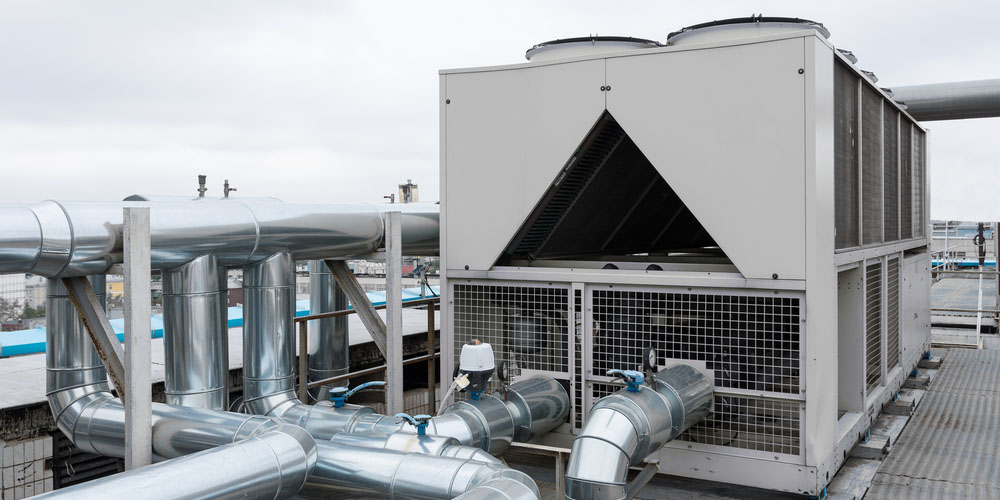
What is a Chiller? is a question frequently encountered in the field of industrial cooling systems. A chiller is a specialized device used to cool a liquid below a target temperature. These systems are typically used in large buildings, factories, and various industrial processes for air conditioning and cooling purposes. Chillers come in two main types: air-cooled and water-cooled, each optimized for different applications.
A chiller system consists of several components. These include a compressor, evaporator, condenser, and expansion valve. The compressor increases the pressure of the refrigerant, turning the liquid into gas. This initiates the heat transfer process, and the fluid within the system reaches the desired temperature. This process is critical for energy efficiency.
| Component | Function | Importance |
|---|---|---|
| Compressor | Compresses the refrigerant | Necessary to initiate heat transfer |
| Evaporator | Absorbs heat from the refrigerant | Enables the liquid to evaporate and perform cooling |
| Condenser | Releases heat to the environment | Allows the liquid to condense again |
| Expansion Valve | Reduces refrigerant pressure | Prepares the environment in the evaporator for cooling |
Things to Know About Chillers:
- Chillers offer different models in terms of both energy efficiency and cooling performance.
- Maintenance requirements are important for improving system performance.
- Air- and water-cooled systems have their advantages and disadvantages.
- The correct model selection depends on the application and environmental conditions.
- Energy consumption of chillers directly affects operational costs.
- Smart control systems enable more efficient use.
Chiller systems play an indispensable role in modern industrial applications. With proper understanding and maintenance, their efficiency can be increased and energy savings achieved. Additionally, proper model selection and application are crucial for both cost and performance.
How a Chiller System Works
What is a Chiller? is a crucial question for those seeking information about cooling systems today. Chiller systems are widely used industrial cooling solutions that operate based on heat transfer principles and are generally preferred for liquid cooling.
The core function of chiller systems is to absorb heat from the cooling environment to chill a liquid. This process is typically performed in a loop containing a compressor, evaporator, condenser, and expansion valve. The refrigerant continuously circulates among these components, cooling the environment. Chiller systems are frequently used in large buildings and industrial facilities.
Chiller System Components
| Component | Function | Description |
|---|---|---|
| Compressor | Accumulation | Compresses the refrigerant and increases pressure. |
| Evaporator | Heat exchange | Absorbs environmental heat to help the refrigerant evaporate. |
| Condenser | Condensation | Cools the vaporized refrigerant to turn it back into liquid. |
| Expansion Valve | Flow control | Reduces pressure via axial expansion and allows refrigerant into the evaporator. |
Chiller Operating Steps are as follows:
- The compressor compresses the refrigerant, increasing temperature and pressure.
- The high-pressure gas moves to the condenser.
- In the condenser, the gas cools and turns into liquid.
- The liquid passes through the expansion valve, reducing pressure.
- The low-pressure liquid enters the evaporator and absorbs environmental heat.
- The liquid evaporates, becoming gas.
- The vapor returns to the compressor, and the cycle continues.
Chiller systems are generally preferred in specific application areas. Using systems that fulfill certain functions is essential.
Types of Chillers
Chiller systems come in many different types, varying by application area and capacity. Generally, air-cooled and water-cooled chillers are the most common. Air-cooled chillers typically consume less energy, while water-cooled chillers are ideal for high-performance applications.
Application Areas
Chiller systems are used in a wide range of areas, from manufacturing plants to office buildings. For example, they are often used in food processing, chemical industry, electronics manufacturing, and cooling centers to meet heating and cooling requirements. Correct selection and application of these systems can increase energy efficiency and reduce operational costs.
Advantages and Disadvantages of Chiller Systems
What is a Chiller? systems are important equipment used to meet cooling needs in industrial and commercial applications. Understanding the advantages and disadvantages of these systems is crucial for the selection process. Choosing the right chiller can increase energy efficiency and reduce operational costs.
The advantages of chiller systems used across various sectors include high efficiency, low energy consumption, and long-lasting operation. However, they also have some disadvantages, such as high initial investment cost and maintenance requirements. Therefore, all these factors should be carefully considered when selecting a chiller.
| Advantages | Disadvantages | Recommendations |
|---|---|---|
| High efficiency | High initial investment cost | Seek expert advice |
| Low energy consumption | Maintenance and repair requirements | Plan for long-term use |
| Long-lasting operation | Requires technical knowledge | Provide training and staff support |
| Various application areas | Performance depends on weather conditions | Customize system solutions |
Advantages and Disadvantages of Chillers help business owners and managers gain deeper understanding. The following list briefly summarizes their pros and cons:
- Provides high cooling capacity.
- Reduces costs through energy efficiency.
- Durable and long-lasting.
- Offers fast response times.
- Provides advantages in managing complex systems.
- Requires regular maintenance.
- Requires technical knowledge for equipment handling.
Answering What is a Chiller? is vital for businesses. Monitoring and improving chiller systems yield positive results in efficiency and costs. Each system’s advantages and disadvantages should be evaluated carefully.
Considerations When Selecting a Chiller
Chiller systems hold an important place among industrial cooling solutions. They are designed to meet cooling needs in various applications. Understanding the answer to What is a chiller? helps in comprehending many factors that affect chiller selection. Knowing which features to consider enhances efficiency and reduces costs.
Before selecting a chiller, it is important to understand the type of system suitable for your needs. There are many types of chillers on the market, so selection should follow specific criteria such as capacity, energy efficiency, and operating conditions.
| Chiller Type | Capacity (kW) | Efficiency |
|---|---|---|
| Air-Cooled | 10-500 | High |
| Water-Cooled | 50-2500 | Medium |
| Absorption | 100-1000 | Low |
Chiller Selection Steps are as follows:
- Needs Analysis: Determine cooling capacity.
- Energy Efficiency: Evaluate energy consumption.
- Operating Conditions: Consider environmental factors.
- Maintenance Ease: Assess how easy maintenance is.
- Budgeting: Compare costs of options.
Making the right decision when selecting chiller systems ensures cost management and system efficiency. Once again, the answer to What is a chiller? should be reviewed. Working with reliable manufacturers enhances system performance and durability.
Tips for Successful Chiller Use
Answering What is a Chiller? begins with understanding a system that is indispensable for cooling processes and widely used across industries. A chiller is designed to lower process temperatures or cool a specific environment. These systems play an important role in the chemical, food, and HVAC sectors. When used correctly, chiller systems improve energy efficiency and reduce operational costs.
Several key factors ensure optimal performance of chiller systems. Proper installation and periodic maintenance are critical for efficient operation. Improper installation and insufficient maintenance negatively impact system efficiency. Therefore, understanding What is a Chiller? is crucial for proper usage.
| Maintenance Type | Frequency | Description |
|---|---|---|
| Daily Check | Daily | Check fluid levels and electrical connections |
| Monthly Maintenance | Monthly | Clean filters and assess refrigerant |
| Annual Maintenance | Yearly | Detailed system inspection and part replacements |
| Customized Maintenance | As Needed | Maintenance for specific applications or industry requirements |
Tips for Chiller Usage: To maximize the advantages of a chiller system, the following precautions should be taken:
- Work with expert personnel for system installation.
- Do not skip periodic maintenance and checks.
- Regularly monitor refrigerant levels.
- Avoid overloads and optimize capacity usage.
- Keep filters clean to ensure free airflow.
- Regularly observe and report operating conditions.
- Seek technical support immediately if any abnormalities occur.
For example, neglecting regular maintenance can shorten system life and increase costs. Considering these tips is crucial to increase productivity and efficiency. Proper knowledge and application of What is a Chiller? provides significant long-term advantages.